Things to Do in Mali in September
September weather, activities, events & insider tips
Low Season · Budget Friendly
September Weather in Mali
Long-run averages for September in Bamako
89°F (32°C)
High Temp
70°F (21°C)
Low Temp
7.7 inches (196 mm)
Rainfall
83%
Humidity
12
Sunny-Day UV
⚠ Flash flooding occurs in Bamako's low-lying areas and along unpaved roads after heavy downpours. Storms can drop 30-50 mm (1.2-2.0 inches) in under two hours, turning streets into fast-moving drainage channels with zero warning
⚠ Malaria transmission peaks in September and October as standing water from accumulated rainfall creates ideal mosquito breeding conditions across the entire southern half of the country. Prophylaxis is medically essential
⚠ Road washouts between cities are common and can strand travelers for 24-72 hours. Laterite roads that appear solid can collapse under vehicle weight after saturation, and recovery infrastructure outside Bamako is minimal
Is September Right for You?
Weigh the advantages and considerations before booking
Advantages
- + The Sahel transforms into something unrecognizable from its dusty dry-season self. The countryside south of Bamako turns an almost shocking green. Millet and sorghum fields stand shoulder-high. Mango trees sag with late-season fruit. Red laterite roads disappear into vegetation so dense it feels equatorial. If you have ever seen photographs of Mali and thought it was all sand and scrub, September will correct that assumption in about ten minutes.
- + The Niger River reaches its annual peak between September and October, swelling to its widest and most navigable state. Pirogue traffic around Bamako and Koulikoro picks up as the river becomes the most reliable transport corridor in the country. The light on the water at dusk, copper and violet, with fishermen casting nets from narrow wooden boats, is the single best visual Mali offers. September is when you see it at full scale.
- + Crowd levels are essentially zero. You will likely be the only foreign traveler at Bamako's National Museum. The only outsider browsing the fabric stalls at the Grand Marché. The only visitor at the Muso Kunda music venue on a Friday night. This is not shoulder season. This is no season at all. The result is an unmediated experience of Malian daily life that high-season visitors simply do not get.
- + Live music in Bamako reaches a particular intensity during the rains. The city's maquis, open-air bars with plastic chairs and speakers that rattle the table, stay packed with Malians who are not going anywhere in the downpour. The kora and balafon players who perform at venues near the Quartier du Fleuve and along the Route de Koulikoro play for a local audience, not tourists. The difference in energy is unmistakable.
Considerations
- − Security remains the defining constraint on travel in Mali. As of 2027, armed conflict and instability continue across the northern regions, Timbuktu, Kidal, Gao, and much of central Mali including the Mopti region, which means Dogon Country and Djenné's Great Mosque are effectively inaccessible to civilian travelers. Most Western governments advise against all travel to these areas. Realistic September travel is confined to Bamako and the southern corridor toward Sikasso and Sélingué, which narrows what you can see considerably.
- − The rains are not background atmosphere. September averages 196 mm (7.7 inches) in Bamako, and storms arrive as dense, vertical walls of water that turn unpaved roads into red-clay rivers within minutes. Laterite roads outside the capital can become impassable for days. Overland travel that would take three hours in December might take eight in September, or simply not happen. Plan around this rather than through it.
- − Malaria risk peaks in September and October as mosquitoes breed aggressively in the standing water left by every storm. The whine of mosquitoes after dusk in Bamako is constant and unavoidable. Antimalarial medication is not optional. It is as essential as your passport. Even with prophylaxis and repellent, you will be bitten, and the combination of high humidity, 83% average, and long sleeves for mosquito protection makes comfort a genuine challenge.
Best Activities in September
Top things to do during your visit
Niger River Pirogue Excursions from Bamako
September is when the Niger is at its most expansive and navigable around Bamako and Koulikoro, roughly 60 km (37 miles) northeast of the capital. Pirogues, long, narrow wooden boats that have plied this river for centuries, are the traditional way to move, and at high water they can reach stretches of riverbank and fishing villages that are dry land the rest of the year. The air on the water is noticeably cooler than in the city. The smell is river mud and woodsmoke from villages along the banks. The birdlife in September is extraordinary as migratory species arrive. Morning departures, before the afternoon rains hit, give you four to five hours of calm water and clear skies. The river sounds different at flood stage. Heavier, faster, with a low hum you feel more than hear.
Booking Tip: Arrange through licensed operators in Bamako at least a week ahead. River conditions change daily during the rains, so flexibility on exact timing is essential. Insist on life jackets. Not all boats carry them. See current tour options in the booking section below.
Bamako Live Music and Cultural Evenings
Bamako has a legitimate claim to being West Africa's most important music city, and September's rainy evenings concentrate the energy indoors. The maquis and small clubs around the Quartier du Fleuve and Hippodrome neighbourhood fill with Malians settling in for the night as the rain hammers the corrugated roofs, the percussion of the storm competing with balafon players and griot vocalists who have been performing since before you were born. The Institut Français and Palais de la Culture host scheduled concerts. But the unscheduled sessions at neighbourhood bars are where the real thing happens. You sit on a plastic chair. Someone hands you a Castel beer. A kora player starts a piece that lasts forty minutes and never repeats a phrase. The sound is liquid and intricate, closer to classical guitar than anything you would call African pop, and the room knows every melodic tradition being quoted.
Booking Tip: No advance booking needed for maquis performances. They happen organically. For scheduled concerts at cultural institutions, check locally on arrival as programming shifts weekly. Performances tend to start late, often after 21:00, and run past midnight. See current cultural tour options in the booking section below.
National Museum of Mali and Bamako Heritage Walking
The Musée National du Mali in Bamako sits on a hillside above the Niger and holds one of West Africa's strongest collections: Dogon masks, Bamana antelope headdresses, Djenné terracotta figures, and textiles that trace centuries of Saharan trade. In September, you will likely have entire galleries to yourself, which changes the experience. You can stand in front of a Tellem funerary figure for ten minutes without someone's selfie stick entering your peripheral vision. The museum grounds themselves smell of wet earth and frangipani after the morning rain. The covered terrace has a view of the river valley that contextualizes everything inside. From there, the walk downhill through the Quartier du Fleuve to the Grand Marché takes about forty minutes. It passes colonial-era architecture in various states of dignified decay, tailor shops where the clatter of sewing machines spills onto the street, and tea vendors pouring the sweet, foamy Malian tea from a height that seems designed to splash but never does.
Booking Tip: No booking required for the museum. Arrive in the morning when light fills the galleries and before the midday heat builds. For guided heritage walks, arrange through your accommodation or a licensed local guide association at least two days ahead. See current options in the booking section below.
Sélingué Lake and Waterfall Day Trips
Sélingué sits roughly 140 km (87 miles) south of Bamako, and in September the dam lake and surrounding waterfalls are at full volume. The falls near Sélingué, fed by months of accumulated rain, roar in a way they simply do not outside the wet season. The spray is cool against skin that has been sticky with humidity since dawn. The rocks are slick with green algae, and the surrounding forest canopy is dense enough to filter the midday sun into something bearable. The lake itself draws Bamako residents on weekends, and the atmosphere is more Malian family picnic than tourist excursion: grilled capitaine fish wrapped in leaves over charcoal, children swimming in the shallows, and a pace that asks nothing of you. The drive down is the main logistical question. The road is paved for most of the route but the final stretch can deteriorate in heavy rain.
Booking Tip: Book through operators in Bamako at least a week in advance, as September road conditions require experienced drivers who know the route. A full day trip is realistic but leave early to allow for weather delays. Confirm road conditions the day before departure. See current excursion options in the booking section below.
Bamako Market and Textile Immersion
The Grand Marché and Marché de Medina in Bamako are not curated shopping experiences. They are the commercial circulatory system of a city of three million, and September's rains do not slow them down. The covered sections of the Grand Marché trap heat and the concentrated smell of bogolanfini mud cloth dye, shea butter, and the sharp tang of dried fish. Bogolanfini, the hand-dyed mud cloth that is Mali's most distinctive textile export, is made with fermented river mud and leaf extracts. The artisans in the market will walk you through the process if you show genuine interest rather than just reaching for your wallet. The fabric stalls overflow with wax-print cotton in patterns so loud they vibrate, and the tailors who work the surrounding streets can turn a fabric purchase into a finished garment within twenty-four hours. September's heat and humidity mean the market empties between about 13:00 and 15:30. Go early morning when the traders are sharp and the light angling through the roof corrugation catches the indigo dyes at their most saturated.
Booking Tip: No formal booking needed. But hiring a local guide who knows the market traders personally transforms the experience from overwhelming to navigable. Arrange through your accommodation. Bargaining is expected and part of the social exchange. Approach it with humor rather than aggression. See current market tour options in the booking section below.
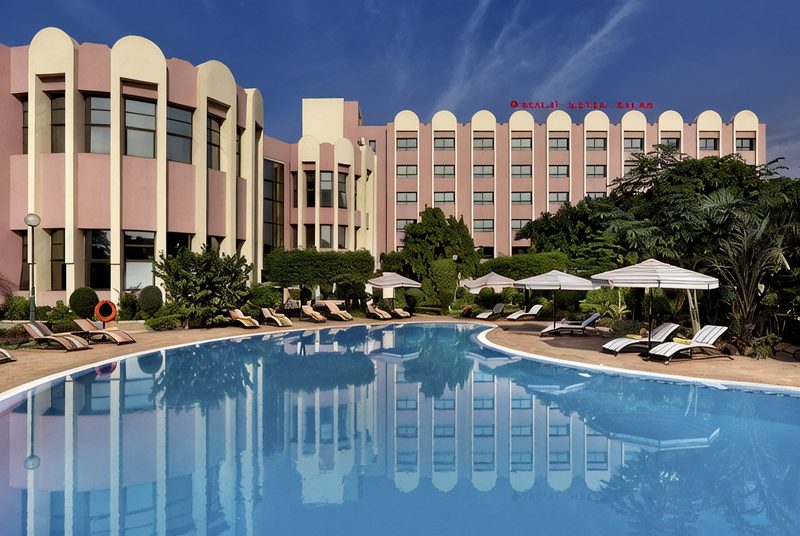
Where to Stay in Mali in September
Hand-picked hotels across price tiers for September travellers.
Public Holidays in September
Dates that affect opening hours, transport and crowds
Independence Day
Observed nationwide as a public holiday.
Independence Day
Observed nationwide as a public holiday.
Packing Checklist
Bookmark this page — your progress is saved between visits
Need the full list with shopping links?
Climate-specific gear, brand recommendations, and what to leave at home.
View Mali Packing List →Essential Tips
Insider knowledge and common pitfalls to avoid
Insider Knowledge
Safety in Bamako is manageable but requires local awareness that no guidebook fully conveys. The southern part of the city, Badalabougou, Quartier du Fleuve, Hippodrome, is where most expats and the small diplomatic community concentrate, and it tends to be calmer than the large northern communes. Travel between cities should be by air where possible. Overland routes, even in the south, carry risks that escalate after dark. Register with your embassy before arrival, keep a charged phone with local emergency contacts, and do not travel to any area north of Ségou or east of Sikasso under any circumstances. The people who live in Bamako are overwhelmingly warm and hospitable. The security threat comes from armed groups operating in remote areas, not from urban crime in the conventional sense, though petty theft does occur.
Malian tea culture, ataya, is a social institution that September's indoor hours amplify. Three rounds of increasingly sweet green tea, brewed in a small pot over charcoal, poured from a height to produce foam. The first round is bitter, the second balanced, the third pure sugar. Refusing the ritual is rude. Accepting it means sitting for forty-five minutes to an hour, which is the actual point. Some of the best conversations and local intelligence you will gather happen over ataya with your guesthouse staff or neighbourhood contacts. The charcoal smell and the rhythmic pour become the sensory signature of your trip.
Capitaine, Nile perch pulled from the Niger, is at its most abundant and cheapest in September when the river is high and fishing nets come up full. The way Bamako cooks it is straightforward: whole, over charcoal, seasoned with salt, mustard, and onion. The flesh is firm and white, mildly sweet, with a char on the skin that crisps into something almost cracker-like. The riverside restaurants along the Pont du Roi Fahd serve it with alloco, fried plantain slices with a caramelized edge, and a chili sauce that clears your sinuses. This is the September meal.
The language barrier is real but navigable. French is the official language and works in Bamako's formal settings. But Bambara is what the city speaks. Learning even five phrases in Bambara, 'i ni ce' for hello, 'i ni baara' for thank you for your work, 'an bé' for let us go, changes every interaction. Malians respond to Bambara attempts with a warmth that French alone does not unlock, and in the markets, it shifts you from 'tourist price' to something closer to the real exchange.
Avoid These Mistakes
Attempting to reach Timbuktu or Dogon Country overland. The security situation in northern and central Mali makes these well-known destinations functionally off-limits for civilian travelers in 2027. Travelers who plan their Mali trip around seeing the Great Mosque of Djenné or trekking the Bandiagara Escarpment are planning a trip that cannot safely happen. Adjust expectations before booking: September 2027 Mali means Bamako and the south, period.
Underestimating the rain's impact on logistics. A storm that drops 40 mm (1.6 inches) in ninety minutes, which happens routinely in September, turns unpaved roads into mud channels and can flood low-lying parts of Bamako within the hour. Travelers who schedule tight itineraries with overland connections between towns find themselves stranded, sometimes for days. Build slack into every plan and have backup indoor activities ready for any day.
Skipping antimalarials or relying only on repellent. Mali has one of the highest malaria transmission rates in West Africa, and September is the peak month. The mosquitoes in Bamako after rain are aggressive, numerous, and active from dusk through dawn. Some travelers assume short trips or staying in air-conditioned rooms makes prophylaxis unnecessary. It does not. Consult a travel medicine specialist at least a month before departure and start your medication course on schedule.
Ready to plan your trip to Mali?
Now that you've got the research covered, here's where to go next.
Book Experiences in Mali
Top-rated things to do in Mali this September

Explore More Activities in Mali
Didn't see anything interesting yet?
Browse Viator's full catalog of tours, day trips, food experiences, and private guides in Mali.
See All Mali Tours on Viator