Things to Do in Mali in February
February weather, activities, events & insider tips
Low Season · Budget Friendly
February Weather in Mali
Long-run averages for February in Bamako
97°F (36°C)
High Temp
67°F (19°C)
Low Temp
0.0 inches (0 mm)
Rainfall
17%
Humidity
10
Sunny-Day UV
⚠ Extreme UV exposure throughout February with a peak index of 10 on clear days, which is nearly every day. Sunburn can occur within 15 to 20 minutes of unprotected exposure, and the low humidity masks how much UV your skin is absorbing. Protective clothing and high-SPF sunscreen are essential, not optional.
⚠ Harmattan dust from the Sahara can reduce visibility and irritate airways during occasional wind events in February, though the worst of the harmattan season is typically December through January. Travelers with asthma or respiratory conditions should carry appropriate medication and consider a dust mask for windy days.
⚠ Mali is in a year-round malaria transmission zone. February's dry conditions reduce mosquito populations compared to the rainy season. But the risk is not eliminated. Antimalarial prophylaxis, long sleeves at dusk, and insect repellent containing DEET are strongly recommended.
Is February Right for You?
Weigh the advantages and considerations before booking
Advantages
- + February lands squarely in Mali's dry season. Zero rainfall hits Bamako. Humidity sits at 17%. The heat feels far more tolerable than identical temperatures during sticky June through September. The harmattan dust has mostly settled since December and January. Skies over the Niger River glow pale and luminous in early mornings. Photographers prize this light.
- + The Festival sur le Niger in Segou, Mali's most important living arts festival, typically falls in early February. This is your single best window for Malian music, puppetry, and oral storytelling traditions. Artists from across West Africa perform on stages along the riverbank. The atmosphere in Segou during the festival is unlike anything else in the country. Worth planning around.
- + Water levels on the Niger River stay navigable between Bamako and Mopti in February. Pirogue journeys through the Inner Niger Delta remain possible. The river drops too low by March and April. Birdlife along the floodplain is extraordinary now. Migratory species from Europe join resident herons, kingfishers, and egrets. They concentrate around shrinking pools. Bring binoculars.
- + February mornings in Mali are cool by Sahelian standards. Bamako's lows hit around 19°C (67°F). The air still carries faint chill before sunrise. This gives you a solid window from roughly 6:30 AM to 10:30 AM. Walk, cycle, or explore outdoor markets then. The heat asserts itself after that. Plan accordingly.
Considerations
- − Mali's security situation remains the defining constraint for any travel plan. Large portions of the north and central regions, including the historic cities of Timbuktu and Gao, have faced armed conflict and instability since 2012. Travel advisories from most Western governments currently warn against all travel to northern and central Mali. This is not theoretical risk. It shapes every itinerary you can realistically build. Check updates constantly.
- − By midday in February, Bamako's temperatures push toward 36°C (97°F). The sun is relentless. UV index hits 10 on clear days, which is nearly every day. Outdoor sightseeing between noon and 3 PM is punishing. The dry heat cracks lips. Dehydration comes faster than you expect. Dust kicked up by traffic on unpaved roads coats everything in fine ochre film. Seek shade.
- − Tourism infrastructure outside Bamako is sparse. It has contracted significantly over the past decade. Accommodation options in secondary cities like Segou and Mopti tend to be basic. Advance booking is difficult. English-speaking guides are rare. Internal flights are limited and unreliable. Overland travel between cities means long hours on roads. These range from adequate to rutted laterite tracks. Pack patience.
Best Activities in February
Top things to do during your visit
February is among the last months when the Niger River carries enough water for traditional pirogue boats. They can still navigate channels between Segou and Mopti. The experience is slow and deliberate. You sit low in a wooden vessel. A boatman poles through water that catches Sahelian light like hammered bronze. You pass Bozo fishing villages. Nets dry on wooden frames. The smell of smoked capitaine fish drifts across the water. Birdlife is concentrated and spectacular as the floodplain contracts. Early morning departures around 6:30 AM give you the best light and coolest air. The 36°C (97°F) afternoon heat bears down later. The river is quieter than during rainy season. Banks expose pale clay terraces. Silence between villages breaks only by the dip of the pole and occasional cry of a fish eagle. Memorable.
Booking Tip: Arrange pirogue trips through licensed local operators in Segou or Mopti at least two weeks ahead. Insist on life jackets and a sun canopy. Shade on the river is nonexistent. Half-day trips offer good introduction. Multi-day journeys require more planning and a reliable guide. See current options in the booking section below. Book early.
Bamako Market and Music Culture Walking Tours
Bamako's Grand Marche and the large Medina Coura market district are best navigated on foot in February's dry mornings. The air still carries pre-dawn coolness. Stalls are being set up. The sensory assault is immediate. Sharp tang of shea butter stacked in yellow-brown blocks. Clatter of aluminium pots. Low hum of bargaining in Bambara. Bolts of bazin fabric dyed in indigo so deep it stains your fingers if you touch it. Mali's music tradition, arguably the richest in West Africa, is woven into daily life here. Evenings in the Hippodrome and Lafiabougou neighbourhoods often bring live performances. Open-air bars called maquis host kora players and ngoni virtuosos. They perform for local audiences. The sound of a 21-string kora in a courtyard at dusk, amplified just enough to carry over conversation and clink of tea glasses, stays with you. It lingers.
Booking Tip: Book guided walking tours at least a week in advance. Use operators based in Bamako who employ local Bambara-speaking guides. Morning tours starting before 8 AM avoid the worst heat. For music experiences, ask your accommodation or guide about maquis schedules. These tend to be informal and shift weekly. Check the booking section below for current availability. Confirm everything.
Segou Arts and Architecture Exploration
Segou sits 235 km (146 miles) east of Bamako on the Niger River. It is Mali's cultural capital in ways the larger city simply cannot match. The town's Sudanese-style mud-brick architecture glows in February's harsh afternoon light. Thick banco walls keep interiors surprisingly cool while streets outside shimmer. The potters' quarter in Kalabougou lies across the river from the town centre. Women there shape and fire enormous clay vessels using techniques that predate the Mali Empire. Kilns send up thin columns of smoke visible from the opposite bank. February's dry conditions mean laterite roads between sites remain passable and firm. If your visit coincides with the Festival sur le Niger, the town transforms entirely. Stages appear along the riverfront. Musicians tune instruments under acacia trees. The population temporarily doubles.
Booking Tip: Arrange Segou visits through Bamako-based operators or directly with guesthouses in Segou. Book at least two to three weeks ahead if your dates overlap with the festival. The drive from Bamako takes roughly four hours on a paved road. See what guided options are currently available in the booking section below.
National Museum of Mali and Bamako Cultural Institutions
The National Museum of Mali in Bamako sits in a compound shaded by mango and kapok trees on the road to Koulouba Hill. It houses one of West Africa's most important collections of Bamana, Dogon, and Senufo masks, textiles, and archaeological artefacts. February's searing midday heat makes this an ideal retreat between 11 AM and 3 PM. Galleries offer cool interiors. The outdoor sculpture garden provides shade. The Bamana chi wara antelope headdresses on display are the real thing. They are carved from single pieces of wood with a precision that demands reappraisal of West African art. Nearby, the Muso Kunda women's museum and the artisan cooperatives along the Route de Koulikoro offer a quieter complement. Dry season light flooding through museum windows in morning hours picks out the grain and patina of centuries-old wood in ways photographs rarely capture.
Booking Tip: The museum is open most days and does not typically require advance booking. Guided tours with English-speaking art historians should be arranged at least a week ahead through cultural tourism operators in Bamako. Plan your visit for morning or mid-afternoon. Avoid the worst heat during the walk between sites. Check the booking section below for current guided cultural tour options.
Birdwatching in the Inner Niger Delta
February marks the tail end of the best birdwatching window in the Inner Niger Delta, one of Africa's most significant wetland systems. As floodwaters recede, birds concentrate around remaining pools and channels in extraordinary density. European migratory species, garganey ducks, ruffs, and black-tailed godwits, share the water with African residents. Goliath herons stand motionless in the shallows. Malachite kingfishers flash electric blue along the banks. Colonies of carmine bee-eaters nest in exposed riverbank clay. The air at dawn is cool enough for hours in a pirogue without heat driving you to shade. Access is typically from Mopti, which sits at the confluence of the Niger and Bani rivers, roughly 620 km (385 miles) northeast of Bamako. The landscape is flat, luminous, and enormous. It is the kind of open Sahelian floodplain that makes you aware of the sky as a physical presence.
Booking Tip: Birdwatching expeditions require a knowledgeable local guide familiar with current water levels and bird concentrations, which shift week to week. Book through licensed ecotourism operators at least three weeks ahead. Confirm that the route to Mopti is currently accessible given security conditions. A quality pair of binoculars and a wide-brimmed hat are non-negotiable. See the booking section below for guided options.
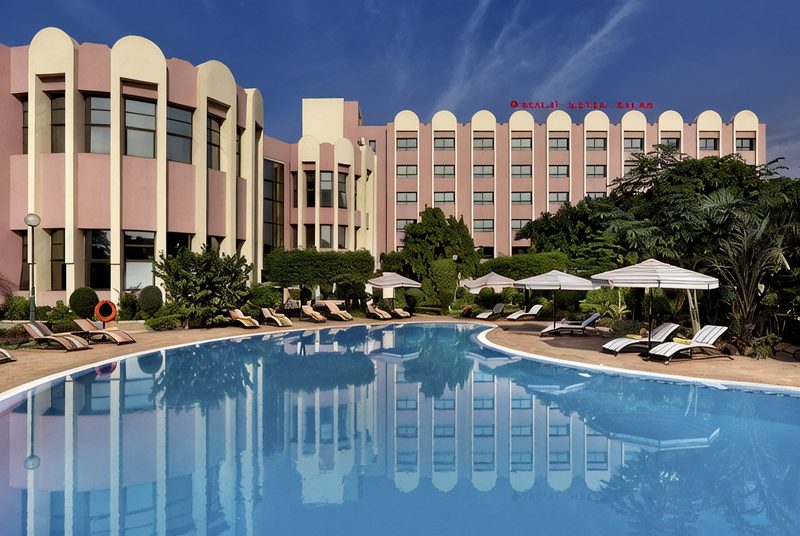
Where to Stay in Mali in February
Hand-picked hotels across price tiers for February travellers.
Public Holidays in February
Dates that affect opening hours, transport and crowds
Leylatoul Qadr (Roughly Date)
Observed nationwide as a public holiday.
Korité (Roughly Date)
Observed nationwide as a public holiday.
Packing Checklist
Bookmark this page — your progress is saved between visits
Need the full list with shopping links?
Climate-specific gear, brand recommendations, and what to leave at home.
View Mali Packing List →Essential Tips
Insider knowledge and common pitfalls to avoid
Insider Knowledge
Tea culture in Mali runs deep. It is not a caffeine fix. It is social glue. The three-glass ritual, ataya, consumes over an hour. First glass: bitter, strong as espresso. Second: sweeter. Third: mild, heavily sugared. Accept invitations. Refusing closes doors. Accepting opens them. Sit low. Let Bambara flow around you. Wait for the charcoal. The sweet mint and smoke define a Malian afternoon. Savor it.
Bamako's best food hides in plain sight. Skip restaurants. Find gargottes instead. These informal open-air eateries announce themselves with benches and a woman stirring a blackened pot over wood fire. Order tigadegena. Peanut sauce over rice. Smoked fish or beef. The peanut depth exceeds anything you have tasted. Smoky notes build. Scotch bonnet heat creeps up. Request fried plantain on the side. The gargottes near Pont du Roi Fahd serve consistently excellent versions. Go there.
Bamako traffic defies logic. The city sprawls along both Niger banks. Limited bridges choke movement. A 5 km (3.1 mile) trip can swallow over an hour. Rush hour cripples progress. Motorcycles dart between trucks and minibuses. No lane discipline exists. Hire transport early. Travel before 7:30 AM. Or between 1 PM and 3 PM. Heat empties roads then. Never drive yourself. Traffic patterns confuse. Road conditions challenge. Police checkpoints multiply. Self-driving fails for visitors.
Learn five Bambara phrases. It transforms everything. I ni ce (ee-nee-chay) unlocks smiles. The universal greeting works everywhere. I ni tile acknowledges the hot sun. It shows you grasp Sahelian rhythms. Malians respond warmly to minimal effort. A Bambara greeting beats French. Transactions become personal. The shift is immediate. Try it.
Avoid These Mistakes
Never underestimate security realities. Avoid ambitious overland itineraries through central or northern Mali. Ground conditions shift fast. Guidebooks lag. Online reports age quickly. Check embassy advisories before leaving Bamako. Verify with local contacts. Discard information older than a few weeks. Bamako feels relatively stable. This deceives. The rest of the country differs. Travelers have faced genuine danger. Stay informed. Stay cautious.
Respect February heat. Low humidity deceives. At 36°C (97°F) with 17% humidity, shade feels pleasant. This tricks visitors. Hours in direct sun pass quickly. Water intake drops dangerously. Dehydration headaches strike by evening. First-timers suffer universally. Force yourself to drink. Drink far more than feels necessary. Thirst signals lag behind reality. Stay ahead of it.
Ask before photographing people. Markets and rural areas demand this. It is not minor etiquette. It prevents real conflict. Many Malians object strongly to unauthorized photos. Pointing a camera escalates fast. Annoyance becomes confrontation. Ask in Bambara or French. Wait for clear consent. Show the photo afterward. At religious sites, keep cameras away. At military checkpoints, same rule. Never shoot.
Ready to plan your trip to Mali?
Now that you've got the research covered, here's where to go next.
Book Experiences in Mali
Top-rated things to do in Mali this February

Explore More Activities in Mali
Didn't see anything interesting yet?
Browse Viator's full catalog of tours, day trips, food experiences, and private guides in Mali.
See All Mali Tours on Viator