Things to Do in Mali in May
May weather, activities, events & insider tips
Low Season · Budget Friendly
May Weather in Mali
Long-run averages for May in Bamako
101°F (38°C)
High Temp
77°F (25°C)
Low Temp
2.1 inches (53 mm)
Rainfall
45%
Humidity
11
Sunny-Day UV
⚠ Extreme heat between 11am and 4pm regularly exceeds 40°C (104°F) in direct sun, in Bamako and the inland plateau. Heat exhaustion and heatstroke are genuine medical risks for travelers unaccustomed to sustained Sahelian temperatures. Carry water at all times, plan indoor rest during midday, and recognize the symptoms: headache, nausea, confusion, and cessation of sweating are emergencies, not inconveniences.
⚠ Malaria transmission increases sharply in May as the first rains create standing water and mosquito populations increase. Prophylaxis is not optional: consult a travel medicine specialist before departure and begin your antimalarial regimen on schedule. Use DEET-based repellent and sleep under a treated net, even in air-conditioned rooms where windows may not seal fully.
⚠ May's early-season storms can arrive without warning as violent squalls with high winds and intense lightning, in the late afternoon. These are not gentle showers: they can drop 20-30 mm (0.8-1.2 inches) in under an hour, flash-flood low-lying roads, and reduce visibility to near zero. Avoid river crossings and unpaved roads during and immediately after heavy rain.
Is May Right for You?
Weigh the advantages and considerations before booking
Advantages
- + Mango season peaks in May across southern Mali, and the sheer abundance transforms daily life. Roadside vendors in Bamako stack pyramids of Amelie and Kent mangoes so ripe the skin splits at a touch, their perfume cutting through the exhaust and dust on every block from Hamdallaye to the Marche de Medina. You eat them for breakfast, lunch, and as the sun drops, sliced over yogurt or blended into fresh juice at any corner stall. This is fruit at a quality and ripeness that export logistics make impossible anywhere else.
- + The first rains of the hivernage begin arriving in May, and after seven months of bone-dry Sahel heat, the effect is immediate and physical. The air changes within hours of a downpour: dust settles, the sky opens from its dry-season haze to a clarity that turns the Niger River from brown-grey to something almost photogenic, and the temperature drops 8-10°C (14-18°F) for a few blessed hours. Locals celebrate these early storms the way northern countries celebrate the first warm day of spring.
- + Tourist numbers are at their lowest in May, which in Mali means you will likely be the only foreigner at the Musee National du Mali in Bamako, the only visitor photographing the banco architecture in Segou's pottery villages, and the only outsider sitting in on a kora performance at a maquis bar along the Route de Koulikoro. This solitude is genuine and, for the right traveler, transformative: you experience Malian hospitality without the filter of a tourism economy.
- + May sits in a narrow window where most roads and tracks in the south and central plateau remain passable before June's heavier rains turn laterite to mud. The Dogon Country escarpment trails, the road from Mopti to Djenne, and the river route from Bamako to Segou are all still accessible in May, though this window closes fast: by mid-June, some of these become impassable without four-wheel drive.
Considerations
- − The heat in May is relentless and disorienting. Bamako's average high of 38°C (101°F) does not capture the radiant heat bouncing off concrete and laterite, which pushes the felt temperature well above that. Between 11am and 4pm, outdoor activity ranges from unpleasant to medically inadvisable. Shade is scarce outside the city, and air conditioning is unreliable beyond higher-end accommodations. You will reorganize your entire day around the heat, whether you planned to or not.
- − Security remains the defining constraint on travel in Mali. As of early 2027, most Western governments advise against all travel to northern and central Mali, and against all but essential travel to the south, including Bamako. Armed groups operate across the north and increasingly in central regions. The situation around Timbuktu, Gao, and Kidal makes overland travel there effectively impossible for independent tourists. Even Bamako and the southwest, which are comparatively stable, require situational awareness, a reliable local fixer, and current intelligence that no guidebook, including this one, can substitute for. Check your government's travel advisory before booking anything.
- − Mali's tourism infrastructure has contracted significantly since 2012. Hotels that once served the Timbuktu circuit have closed. Licensed tour operators with insurance and vehicles in working order are fewer than they were a decade ago, and vetting them requires local contacts rather than online reviews. Flights into Bamako-Senou International are limited to a handful of carriers, and domestic air service is sparse and unreliable. You are not visiting a country set up for casual tourism. You are visiting one that rewards preparation, flexibility, and a high tolerance for logistical friction.
Best Activities in May
Top things to do during your visit
Niger River Pirogue Excursions from Bamako and Segou
May is the last month to travel the Niger by traditional pirogue before the river transforms in June and July from a navigable waterway into a swollen, debris-choked flood. The stretch from Bamako downstream to Koulikoro, and the broader reach around Segou, offers flat-water paddling past fishing villages where Bozo fishermen cast nets from narrow wooden boats at dawn, the water still low enough to see sandbars where hippos surface in the grey-pink light of early morning. The river smells of silt and woodsmoke from the cooking fires along its banks. By 7am the heat is already building, so the best pirogue trips launch at first light and return before noon. The humidity at 45% keeps the air thick but not yet suffocating the way it will by July's 81%. Afternoons on the river are brutal: no shade, no breeze, relentless sun on open water.
Booking Tip: Arrange pirogue trips through your accommodation in Bamako or Segou at least a week ahead. Insist on seeing the boat and life jackets before committing. Morning departures only: anything launching after 9am puts you on open water during peak heat. See current river tour options in the booking section below.
Bamako Cultural Walking Routes: Musee National, Grand Marche, and Hamdallaye
Bamako's cultural core is walkable in May only if you treat the clock as your enemy. Start at the Musee National du Mali before 9am, when the terracotta galleries are cool enough to linger over the Djenne archaeological collection and the textile hall where hand-dyed bogolan mudcloth hangs in geometric patterns of rust, black, and ochre against whitewashed walls. The museum grounds smell of neem trees and laterite dust, and the quiet at that hour is startling for a city of three million. From there, walk downhill toward the Grand Marche, rebuilt after the 2012 fire, where the noise hits you first: metalworkers hammering aluminium pots, fabric sellers calling prices across stacked bolts of wax-print cotton in electric greens and golds. By 11am the heat will push you indoors. The maquis bars of Hamdallaye, Bamako's nightlife quarter, come alive only after dark, when the temperature drops to something approaching bearable and grilled capitaine fish and cold Castel beer become the center of gravity for the entire neighborhood.
Booking Tip: Walking Bamako needs no formal booking. A local guide pays for itself. Find one who knows which neighborhoods to skip and which shortcuts run through shade. Ask your hotel. Insist on five years of experience. Current tour options appear below.
Segou Pottery Villages and Banco Architecture
The villages around Segou, Kalabougou on the north bank of the Niger, have produced hand-fired pottery for centuries. May is the final month potters work outdoors. The rains soon force production under shelter. Watch women shape water jars and cooking pots from river clay. They fire them in open pits fueled by millet stalks and dried dung. The experience smells exactly as you imagine. Woodsmoke. Scorched earth. The mineral tang of wet clay drying in 38°C (101°F) heat. The banco, or sun-dried mudbrick architecture of Segou itself, glows amber in late-afternoon light. The town's tree-lined riverfront corniche offers one of the few pleasant walks in southern Mali. Time it for the hour before sunset. The breeze off the Niger finally arrives then.
Booking Tip: Segou sits three hours east of Bamako on a sealed road. Arrange transport through a Bamako-based operator. Hire a driver for the round trip. The pottery villages require a local guide. You need navigation. You need your visit to be welcome. Book at least ten days ahead during May. See the booking section below for excursion options.
Dogon Country Escarpment Trekking: the Closing Window
May is the last realistic month for trekking the Bandiagara Escarpment. The rains soon turn sandstone trails slippery. Cliff-face villages become harder to reach. The Dogon Country, a 150 km (93 mile) sandstone plateau and cliff system east of Mopti, holds hundreds of villages built into and against the rock face. Granaries top out with conical thatched roofs. Ceremonial sites are carved from the cliff. The landscape is stark and enormous. Ochre rock. Baobabs silhouetted against a white sky. Silence broken only by goat bells and the sound of millet pounded in wooden mortars. The heat at this time of year is extreme. The exposed plateau above the escarpment offers no shade for kilometers. Treks must start before dawn. End by 10am. Spend afternoons resting in whatever shade the village toguna provides. That low-roofed men's meeting shelter saves you. The security situation in the Mopti region demands current local intelligence. Do not commit without it. Information more than two weeks old is useless.
Booking Tip: Dogon Country trekking requires a licensed guide. You need a reliable vehicle to and from Mopti. You need current security clearance. Do not arrange this on arrival. Work with operators who have run Dogon treks continuously through the security disruptions of the past decade. They must demonstrate current access. Allow at least three weeks of lead time. Check the booking section below for guided options.
Live Music in Bamako: Kora, Balafon, and the Mandingue Tradition
Bamako is arguably West Africa's most important music city. This is the home ground of a tradition that produced Salif Keita, Toumani Diabate, and Ali Farka Toure. In May, heat pushes social life firmly into nighttime hours. The city's maquis bars and small performance venues come into their own after 9pm. The sound of a 21-string kora played live in a concrete-walled bar is memorable. Notes cascade like water over the hum of conversation and the clatter of grilled meat plates. Recordings cannot replicate this. The resonance of the calabash body. The player's voice weaving in and out of the strings. The audience responding with murmurs and claps when a phrase lands. The balafon, a wooden xylophone struck with rubber-tipped mallets, produces a warmer, more percussive sound. Some welcome visitors with a local introduction.
Booking Tip: Most maquis bars need no booking. Show up after 9pm. Find a table. For larger venues or specific performers, ask your hotel or guide about the week's schedule. Performances are rarely advertised more than a few days ahead. The music starts late. It runs past midnight. Plan your transport back accordingly.
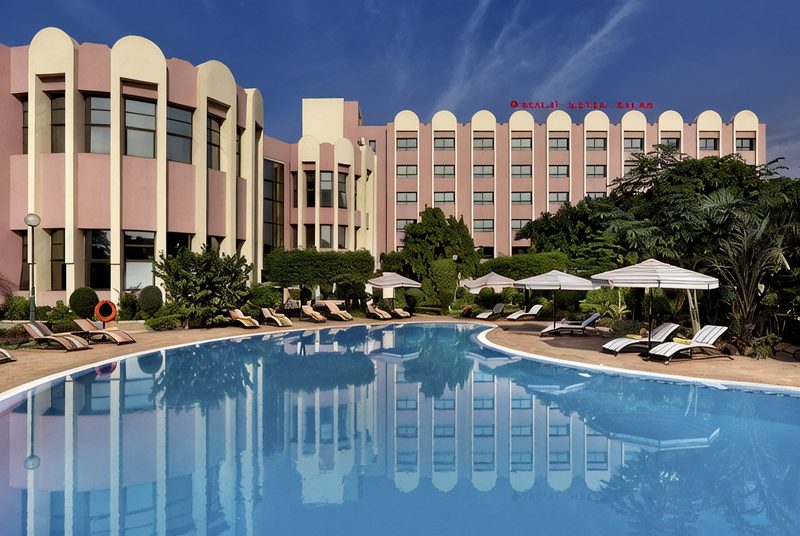
Where to Stay in Mali in May
Hand-picked hotels across price tiers for May travellers.
Public Holidays in May
Dates that affect opening hours, transport and crowds
Workers' Day
Observed nationwide as a public holiday.
Tabaski (Roughly Date)
Observed nationwide as a public holiday.
Africa Day
Observed nationwide as a public holiday.
Workers' Day
Observed nationwide as a public holiday.
Tabaski (Roughly Date)
Observed nationwide as a public holiday.
Africa Day
Observed nationwide as a public holiday.
Packing Checklist
Bookmark this page — your progress is saved between visits
Need the full list with shopping links?
Climate-specific gear, brand recommendations, and what to leave at home.
View Mali Packing List →Essential Tips
Insider knowledge and common pitfalls to avoid
Insider Knowledge
The hours from 5:30am to 9am are your only comfortable window for outdoor activity in May. Farmers, construction workers, and market vendors all operate within this window. They return after 5pm. The dead hours from 11am to 4pm are not laziness. They are survival. Structure your entire itinerary around this rhythm. Ignore it and the heat will flatten you within two days.
Malian hospitality runs on a social code called teranga. First-time visitors get caught off guard. Enter a home or compound and you will be offered water and food. The family's means do not matter. Refusing outright breaches serious etiquette. Accept at least the water. Eat with your right hand if food comes from a communal bowl. Reciprocate with a small gift. Tea or sugar work well. This exchange builds trust in Mali. Engage honestly and doors open. No tour operator can replicate this.
Bamako's traffic is anarchic. Lagos and Nairobi look orderly by comparison. Motorcycles, donkey carts, green Sotrama minibuses bursting beyond capacity, and SUVs share roads with no functioning traffic lights across half the city. Do not rent a car. Do not drive yourself. Hire a driver who knows Bamako. Seek personal recommendations. Avoid airport taxi ranks. The difference in stress and safety is enormous.
The food worth finding in Bamako sits in maquis bars and street-side grills after dark. Order grilled capitaine, the Nile perch from the Niger. It arrives whole on metal with shea butter and fried plantains. This defines Bamako eating. For lunch, find tigadegena in neighborhood canteens. The peanut and tomato stew simmers slow over rice. The version with smoked river fish delivers depth: nutty, savory, slightly bitter from the smoke. West African restaurants elsewhere imitate this. They rarely match it.
Avoid These Mistakes
Do not assume Timbuktu is realistic in 2027. The overland route from Mopti crosses areas with active armed groups. Flights run sporadic and unreliable. Travelers arrive in Bamako expecting Timbuktu within a week. They get stuck. Or they take risks no holiday justifies. If Timbuktu is your primary goal, the honest answer is to wait. Professional-grade security arrangements and local contacts with real-time route assessments would be required. Most travelers lack these.
Never underestimate the heat. Do not treat it like Mediterranean summer. At 38°C (101°F) with 45% humidity, this heat belongs to a different category entirely. First-timers schedule full sightseeing days immediately. They walk the Grand Marche at noon. They skip oral rehydration salts. By day two they lie in hotel rooms with heat exhaustion. Your most important daily decision is when to stop being outdoors. Make it early.
Never travel without current security information and a local contact. Mali does not reward the figure-it-out approach. The security landscape shifts weekly. Safe last month may mean unsafe now. Checkpoints close. Roads shut. Incidents localize. You need real-time ground intelligence. Six-month-old blog posts expire. Forum threads expire. In Mali, that gap matters significantly.
Ready to plan your trip to Mali?
Now that you've got the research covered, here's where to go next.
Book Experiences in Mali
Top-rated things to do in Mali this May

Explore More Activities in Mali
Didn't see anything interesting yet?
Browse Viator's full catalog of tours, day trips, food experiences, and private guides in Mali.
See All Mali Tours on Viator