Things to Do in Mali in January
January weather, activities, events & insider tips
Low Season · Budget Friendly
January Weather in Mali
Long-run averages for January in Bamako
92°F (33°C)
High Temp
62°F (17°C)
Low Temp
0.0 inches (0 mm)
Rainfall
19%
Humidity
9
Sunny-Day UV
⚠ Harmattan drops visibility to 200 m (650 ft). Dust drills deep into lungs. Pack N95 masks. Breathe through the filter.
Is January Right for You?
Weigh the advantages and considerations before booking
Advantages
- + Zero rain means laterite roads stay hard. Good for the 12-hour Bamako-Timbuktu convoy without getting bogged.
- + Nights drop to 17°C (62°F). Sleep under just a cotton sheet. No need for the mosquito-net sauna of summer.
- + Harmattan wind scrubs the sky. If it blows hard for three days straight you'll photograph the Djinguereber Mosque with a razor-sharp silhouette most tourists never see.
- + Post-harvest millet beer (dolo) is freshest in January. Village women tap new calabashes daily. The sour-sweet smell drifts over Dogon escarpment markets.
Considerations
- − Dust storms can cut visibility to 200 m (650 ft). Flights into Timbuktu and Gao are delayed or cancelled on average two days each week.
- − UV index hits 11. Burn time is under 12 minutes at midday. Most pharmacies outside Bamako stock only expired SPF 15.
- − Night-time 17°C (62°F) feels colder than it sounds. Every building is built for heat. Bring a fleece or you'll shiver through 3 AM call-to-prayer loudspeakers.
Best Activities in January
Top things to do during your visit
Dogon Country Escarpment Trekking
January's dry air makes the 40 km (25-mile) cliff-top trail between Sanga and Djiguibombo pleasant. No slippery scree, no leeches. The rock-cut Tellem granaries glow honey-gold in low-angle sun. Villages still perform masked kanaga dances for harvest thanksgiving. Dust raised by dancers hangs in shafts of light like floating bronze.
Booking Tip: Hire licensed Dogon guides in Bandiagara. Ask to see the guide license stamped by the Office du Tourisme. Four-day circuits starting in Sanga tend to sell out first. Book when you arrive, not online. Confirm the night before departure because guides follow the millet harvest calendar, not Google Calendar.
Niger River Pinasse Trips (Mopti-Korioume)
Water is lowest in January. Pinasses ride high on the current. No treacherous whirlpools and hippo visibility is almost guaranteed near Akka. Morning departures at 6 AM wrap you in cool 20°C (68°F) river mist. By 10 AM the sun burns it off and you drift past Fulani cattle wading chest-deep to graze on mid-stream islands.
Booking Tip: Mopti port captains post daily river-depth charts. Choose boats departing after three consecutive green-flag days for safest passage. Shared pinasses leave when full (12 passengers). Private charters go any time. Negotiate fuel surcharge before boarding, not mid-stream.
Bamako Night Market Food Walks
January evenings drop to a tolerable 24°C (75°F). You can linger over grilled capitaine (Nile perch) without sweat dripping into your spice mix. The night market behind the Grand Marché fires up at 7 PM. Look for the woman fanning peanut-sauce rice with a woven tray. Her sauce has the smoky depth only possible when wood has burned all day without monsoon moisture.
Booking Tip: Join small-group culinary walks run by local cooking schools. They know which stalls cycle oil daily (important when daytime highs hit 33°C/92°F). Bring small CFA notes. Most fish vendors can't break 10,000. Eat early. By 9:30 PM Harmattan dust starts coating uncovered plates.
Timbuktu Desert Camel Circuits
Cool dawn 18°C (64°F) starts mean you can ride three hours to the salt pans of Araouane without the usual mid-day camel protest. January is the only month when guides agree to overnight bivouacs. Night sky clarity is absurd. The Milky Way casts shadows on dunes and you'll hear caravans arriving by bell-clink long before you see them.
Booking Tip: Overnight treks require a 'guide-accompagnateur' licence. Check the laminated card photo-matches the holder. Fakes circulate. Bring your own 1.5 L water per riding hour. Camel-bag water tastes like plastic in January's dry air. Flights back to Bamako book up fast after any dust-hold so reserve a flexible ticket.
National Museum of Mali (Bamako) Indoor Morning Circuit
Harmattan haze ruins photography by 11 AM. Spend the bright hours inside the museum's climate-controlled galleries instead. January is when the museum rotates its textile exhibit. You'll see hand-spun cotton bands freshly collected from Kayes weavers, indigo still powder-blue on the surface. Outside, the sculpture garden's laterite paths don't turn to orange mud, so you can wander barefoot baobab roots without ruining shoes.
Booking Tip: Arrive right at 9 AM opening. Guides fluent in English finish by noon to avoid afternoon dust. Photography permit is extra. Pay at the kiosk inside the gate, not from touts outside. Closed Mondays. January 1 is a holiday so plan around it.
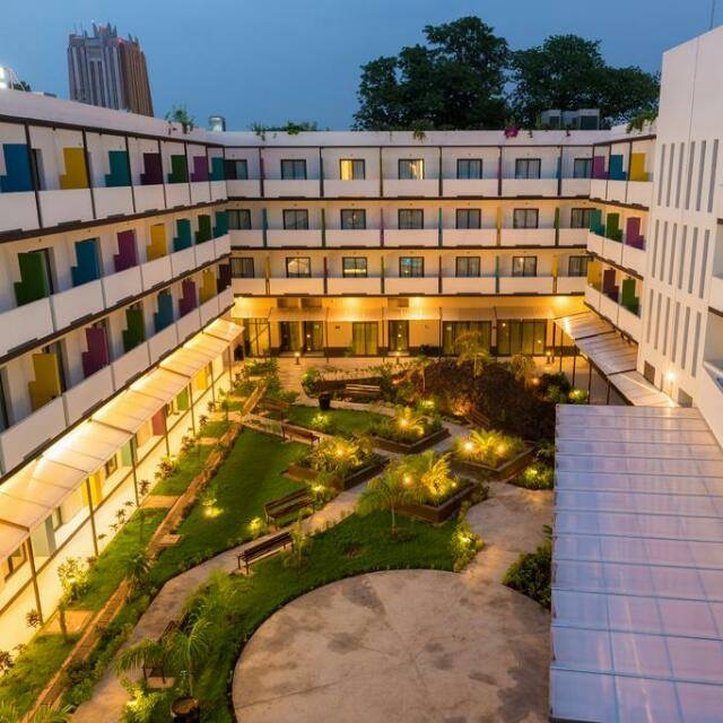
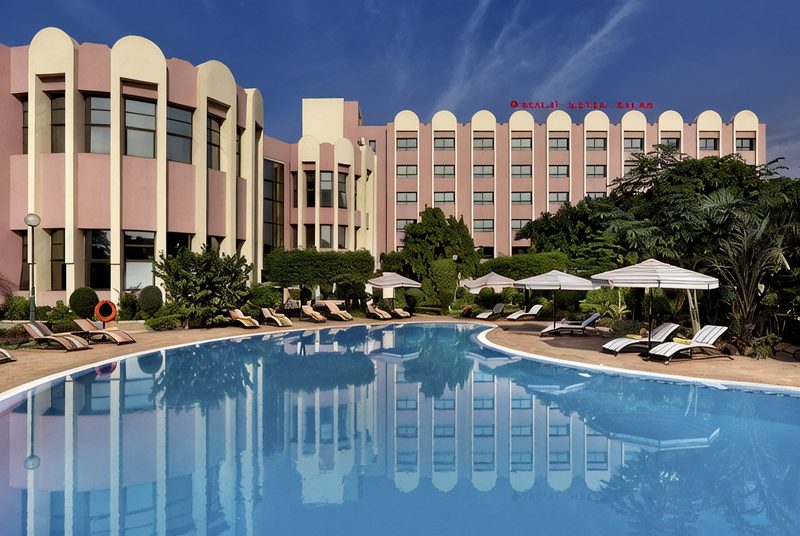
Where to Stay in Mali in January
Hand-picked hotels across price tiers for January travellers.
Public Holidays in January
Dates that affect opening hours, transport and crowds
New Year's Day
Observed nationwide as a public holiday.
Armed Forces Day
Observed nationwide as a public holiday.
New Year's Day
Observed nationwide as a public holiday.
Armed Forces Day
Observed nationwide as a public holiday.
Packing Checklist
Bookmark this page — your progress is saved between visits
Need the full list with shopping links?
Climate-specific gear, brand recommendations, and what to leave at home.
View Mali Packing List →Essential Tips
Insider knowledge and common pitfalls to avoid
Insider Knowledge
January millet harvest means every Dogon village has fresh dolo. Accept the first calabash offered. Refusing is agricultural bad luck for the host.
Bamako's Sogoniko bus station starts the Timbuktu convoy at 4 AM on Mondays and Thursdays. Arrive 5 AM and you'll still get a seat. Drivers wait until full, not until scheduled.
Harmattan wind peaks around 2 PM. If you hear it howl, duck into any maquis (open-air bar) for a 0.6 L Flag beer. Locals reckon wind dies faster if you toast it.
CFA 10,000 notes are paperweights once you leave Bamako. Spend them at Score or Supermarché Azar. Cashiers there keep coins and small bills. Break the big notes before you head north.
Avoid These Mistakes
January dust holds planes on the ground for 26 hours on average. Book onward flights with a two-day cushion. Tight connections will cost you. Buffer time is cheap insurance.
Zero rain does not mean zero thirst. 15% humidity steals sweat unseen. Double your water estimate. Drink before you feel dry.
Timbuktu manuscripts glare white at noon. Harmattan light erases detail. Shoot within an hour of sunrise. Dust then softens every tone.
Ready to plan your trip to Mali?
Now that you've got the research covered, here's where to go next.
Book Experiences in Mali
Top-rated things to do in Mali this January

Explore More Activities in Mali
Didn't see anything interesting yet?
Browse Viator's full catalog of tours, day trips, food experiences, and private guides in Mali.
See All Mali Tours on Viator