Things to Do in Mali in November
November weather, activities, events & insider tips
Low Season · Budget Friendly
November Weather in Mali
Long-run averages for November in Bamako
95°F (35°C)
High Temp
65°F (18°C)
Low Temp
0.2 inches (5 mm)
Rainfall
36%
Humidity
9
Sunny-Day UV
⚠ The late-November onset of the Harmattan, a dry, dust-laden wind blowing south from the Sahara, can reduce visibility and coat everything in fine ochre grit without warning. It typically intensifies in December and January. But the first hazy days may arrive in the final week of November, in northern areas. Travelers with respiratory sensitivities should carry a dust mask or use their scarf as one.
⚠ Daytime UV exposure is extreme despite the comfortable humidity levels. The dry air and clear skies mean there is very little atmospheric moisture filtering the sun, and the low humidity creates a false sense of safety because you do not feel yourself burning as quickly as you would in humid heat. Sunburn and heat exhaustion are real risks for any sustained outdoor activity between 10am and 3pm.
Is November Right for You?
Weigh the advantages and considerations before booking
Advantages
- + November brings Mali's dry season into full swing. The change from previous months is dramatic. August dumps 290 mm (11.4 inches) of rain on Bamako. By November, that has stopped almost entirely. What remains: green riverbanks, full reservoirs, air free of tropical humidity's constant weight. Average humidity drops to 36%. It feels almost Mediterranean next to August's 84% wall. You can spend full mornings outdoors without feeling wrung out. The landscape keeps its post-rain green. Baobabs hold full leaf. The Niger's banks grow thick with vegetation. Come January, the Harmattan dust and dry heat will scour it all back to ochre. November is the window.
- + The Niger River nears its annual peak in November. Months of upstream rain in Guinea and the inland delta around Mopti have swollen it. Pirogue travel is at its most practical now. It is also at its most scenic. Stretches that become impassable sandbars by March are broad, navigable channels. More fishermen work the river. Birdlife concentrates along the banks. Herons. Kingfishers. African fish eagles. They gather around flood margins. If you came to Mali for the river, choose November.
- + Bamako's cultural season builds momentum as wet months fade. Evenings turn dry. Live music moves outdoors. Mali is famous for this. The country produced Salif Keita, Ali Farka Toure, and Oumou Sangare. Bars and performance spaces along Rue Princesse in the Hippodrome neighbourhood open their terraces. Kora and balafon sounds drift between mango trees past midnight. The city's cultural infrastructure is modest. It wakes up in November.
- + Tourist numbers in Mali stay far below pre-2012 levels. November crowds are negligible. Even at the most visited sites. The Grand Marche in Bamako. The National Museum of Mali. You will likely be one of very few foreign visitors. This brings real advantages. Unhurried access. Local guides willing to spend time with you. Room rates reflect low demand, not peak-season markup.
Considerations
- − Security across much of Mali remains serious. It restricts where travelers can safely go. Northern regions including Timbuktu, Gao, and Kidal have been effectively off-limits to independent tourism for years. Armed group activity is the cause. The central Mopti region, way into Djenne and the Dogon escarpment, has experienced instability. Travel there is a calculated risk. It requires current local intelligence. Bamako and the southern corridor are significantly calmer. Check advisories from your own government close to departure. Do not plan routes based on outdated assumptions. This is the single biggest constraint on any Mali trip. It applies regardless of month.
- − Afternoon highs hit 35°C (95°F). Even by dry-season standards, this is hot. Low humidity helps. Sweat evaporates. Direct sun between 11am and 3pm is punishing. Many outdoor activities become impractical then. First-time visitors from temperate climates consistently underestimate heat's impact on daily rhythm. Mornings start early. Midday slows to a crawl. Real activity resumes only in late afternoon. This is not minor inconvenience. It structures what you can do and when.
- − Tourism infrastructure in Mali is minimal. Domestic flights are limited and unreliable. Road travel between cities means long hours. Routes range from decent tarmac to rutted laterite. Some remains soft from October rains. Accommodation outside Bamako is basic. Medical facilities are scarce. ATMs beyond the capital are not something you can count on. Mali rewards travelers experienced in West Africa. Those comfortable with logistical uncertainty do best. It is not a forgiving first destination on the continent.
Best Activities in November
Top things to do during your visit
Niger River Pirogue Excursions from Bamako
The Niger bisects Bamako in a broad, brown sweep. In November, the river still carries wet-season volume. The far bank looks hazy. The current pushes floating islands of water hyacinth past your boat. A pirogue ride is the simplest, most memorable thing you can do in the capital. You settle into a long wooden canoe. The boatman pushes off from the sandy bank near the Pont des Martyrs. Within minutes, city noise drops away. Motorcycle horns. The rattle of sotrama minibuses. Gone. You hear water against the hull. Pied kingfishers call from the shallows. Late afternoon light turns the river copper. Fishermen cast circular nets from their own pirogues. The scene could be any century. November's lower humidity brings clear air. From midstream, you can see Koulouba hill and the presidential palace catching last sun. Book through a licensed guide. Do not accept offers at the riverbank. The difference is a life jacket. A boat that does not take on water. Morning departures before 9am work. Late afternoon from 4pm onward works. Anything between, and sun on water becomes blinding.
Booking Tip: Arrange river excursions through your accommodation or a licensed local guide. Do this at least two to three days ahead. Afternoon departures tend to fill on weekends. See current options in the booking section below. Organized river tours departing Bamako are listed there.
Bamako Cultural Circuit: National Museum and Grand Marche
The National Museum of Mali sits on a hillside in the Bamako-Coura neighbourhood. Even the walk up tells you something. The laterite path winds through a sculpture garden. Dry grass and neem trees scent the air. Djembe practice drifts from somewhere nearby. Inside, the ethnographic collection spans Dogon masks with encrusted sacrificial patina to Bambara chi wara antelope headdresses. The textile hall holds bogolan mudcloth pieces that make tourist-market versions look like photocopies. November's moderate humidity suits the open-air galleries. You can spend a full morning here without overheating. From the museum, a taxi ride south drops you at the Grand Marche. The market was rebuilt after a fire. It remains the commercial heart of the city. The ground floor is a dense grid of fabric sellers. Wax print stacks in bolts so vivid they look backlit. Upper levels hold gold jewellery and leather goods. The smell mixes shea butter, dried fish, and the metallic tang of the gold quarter. This is not a sanitised tourist market. Bamakois shop here. The energy in November's cooler mornings is palpable. Arrive before 10am. Beat the worst of the heat. Catch the market at full tilt.
Booking Tip: Guided cultural walks covering the museum and market district can be arranged two to three days ahead through licensed operators. A knowledgeable Bamako-based guide provides context on the artifacts. They negotiate the Grand Marche in Bambara. This changes the experience entirely. Check the booking section below for current guided tour options.
Djenne Great Mosque and Monday Market
The Great Mosque of Djenne is the largest mud-brick structure on earth. No photograph prepares you for the physical scale. The walls rise like a sandcastle built by someone who refused to stop. Wooden toron beams jut from the facade in rows. These serve as permanent scaffolding for the annual replastering. You cannot enter as a non-Muslim. The exterior and the square during the Monday market are the real spectacle. On Mondays, the plaza fills with traders from across the inland Niger delta. Bozo fishermen sell smoked capitaine laid out on reed mats. Fulani women carry calabashes of fresh milk balanced on their heads. Green mangoes and red chili peppers pile on woven mats. The low hum of bargaining in Bambara, Fulfulde, and Bozo creates a steady sonic wash under the equatorial sun. November is ideal. The roads from Bamako, roughly 600 km (373 miles), are dry enough to be reliable. The countryside still carries green from the recently departed rains. The mud architecture looks its best before Harmattan dust coats everything in grey. Time your visit to arrive Sunday evening. Catch the market from first light Monday morning. The heat by midday is fierce even in November. The market thins as sellers pack up before the worst of it.
Booking Tip: Multi-day tours covering Djenne from Bamako are the practical option. The journey requires an overnight. Book at least a week ahead through an operator with their own vehicle. The driver must know the route. Security conditions between Bamako and Djenne should be confirmed close to departure. See the booking section below for organized Mali tours that include Djenne.
Selingue Lake Day Excursions
Selingue sits about 140 km (87 miles) south of Bamako. Close enough for a day trip. Far enough that the city disappears. The landscape opens into red laterite, scattered villages, and eventually the wide reservoir created by the Selingue dam on the Sankarani River. November finds the lake at a generous level. The shoreline edges with green scrub. The air carries the faintly mineral smell of warm freshwater. The draw is simple. Space, quiet, and a pace that makes Bamako feel frantic. Local fishermen take you out on wooden boats. The catch, tilapia and capitaine, often grills whole over charcoal right on the lakeshore. This is as fresh as food gets. Smoke rises from shoreline grills. Fish skin crackles crisping over embers. The flesh needs nothing but salt and a squeeze of lime. This is Malian eating at its most elemental. Birdwatchers find the lake edges productive in early morning. Waders and raptors congregate where water meets bush. The road south is paved and in reasonable condition. Selingue is one of the few excursions from Bamako that does not require expedition-level planning.
Booking Tip: Day trips to Selingue can be arranged through Bamako-based operators or your accommodation. Typically two to three days' notice suffices. A vehicle with driver is the practical choice. Public transport options are slow and infrequent. See the booking section below for current Bamako-area excursion options.
Segou Bogolan Mudcloth and Pottery Workshops
Segou sits 235 km (146 miles) northeast of Bamako on the Niger River. This is bogolan country. The mudcloth tradition here ranks among West Africa's most well-known textile arts. The process is ancient and physical. Cotton strips soak in crushed n'galama leaves until they turn deep yellow. Artisans then paint geometric patterns with fermented river mud. The mud bonds chemically with tannin, turning black on contact. The smell hits you first. Sharp. Organic. Women lay finished cloth in the sun to dry. Black and brown geometries spread across dusty ground. These workshops deliver Mali's most arresting visuals. Cross the Niger to Kalabougou. Potters here have worked clay for generations. They shape massive storage vessels entirely by hand. No wheel. They fire them in open pits of millet stalks. Grey smoke columns rise into November skies. This technology predates the great Sahelian empires. November brings ideal conditions. Dry air lets workshops run full tilt. Clay fires clean in low humidity. The Bamako drive takes four hours on decent roads. Plan an overnight stay. Or start early for one very long day.
Booking Tip: Book cultural tours to Segou at least one week ahead. This includes bogolan and pottery workshops. English-speaking guides require advance notice. Local artisan cooperatives welcome visitors. A guide provides access and context. See the booking section below. Options cover Segou and nearby craft villages.
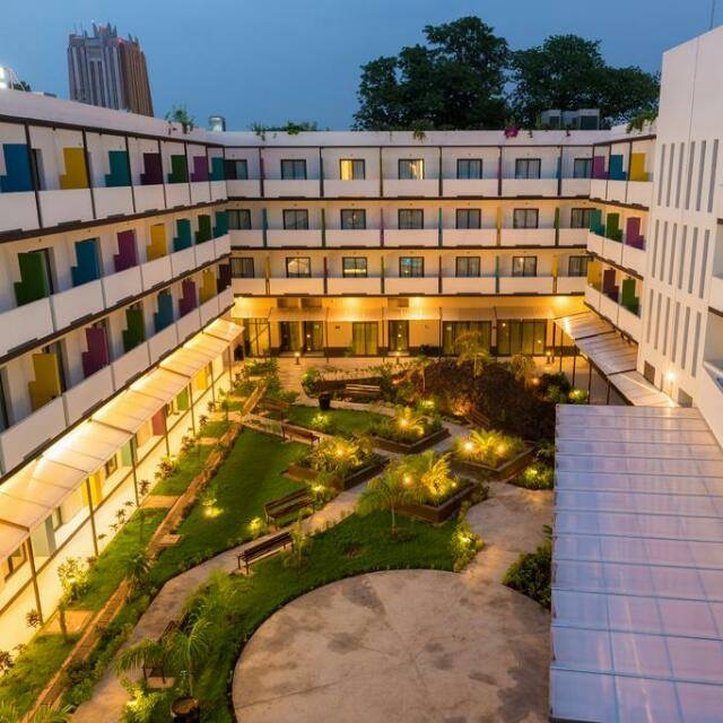
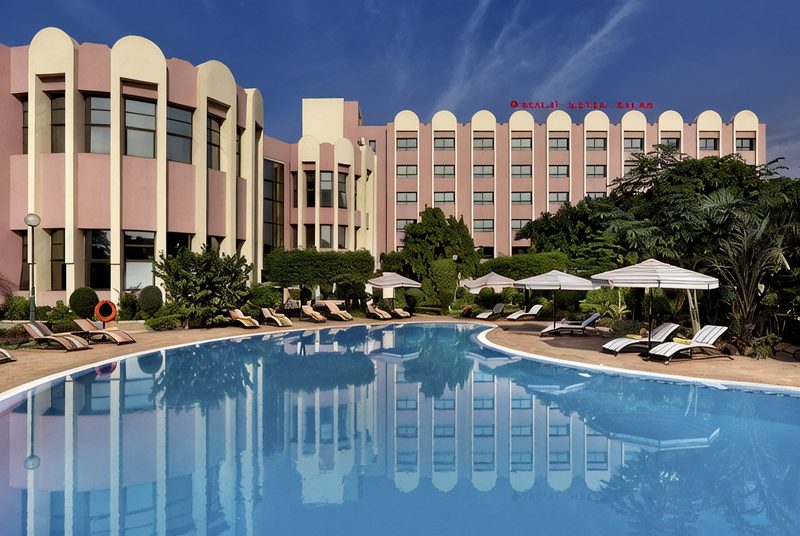
Where to Stay in Mali in November
Hand-picked hotels across price tiers for November travellers.
Packing Checklist
Bookmark this page — your progress is saved between visits
Need the full list with shopping links?
Climate-specific gear, brand recommendations, and what to leave at home.
View Mali Packing List →Essential Tips
Insider knowledge and common pitfalls to avoid
Insider Knowledge
Greetings in Bambara are not small talk. They are social infrastructure. Skip them and you mark yourself rude instantly. Learn the basics. 'I ni ce' means good morning. 'I ni tile' means good afternoon. 'Hera sira?' asks if everything is peaceful. Answer 'Hera doron' (peace only). A full Bambara greeting between two Malians can stretch two minutes. Family, health, work, weather. The cycle continues. You need not master everything. Start every conversation with 'I ni ce' and a smile. Taxi drivers. Market vendors. Hotel clerks. This changes everything. This is the single most valuable advice about Mali.
The Malian tea ceremony builds relationships. You will face constant offers. Three rounds of progressively sweeter green tea brew in a tiny pot over charcoal. First glass: bitter and strong. Second: moderate. Third: sweet. Refusing is acceptable. Accepting and sitting through all three rounds signals value. The ritual takes nearly an hour. Business, directions, local knowledge, friendship. All flow from here. November evenings bring perfect tea weather. Every doorstep hosts this ritual. Join in. This is your fastest route past the surface of the country.
Mali is landlocked, there are no beaches, despite what search engines might suggest by confusing the country with Male in the Maldives or Malia in Crete. What Mali has instead is the Niger River, and the sandy riverbanks around Bamako and Segou serve as the local equivalent of beach culture: families gather at the water's edge on weekend afternoons, kids swim in the shallows, and grilled fish vendors set up under the trees. The experience is completely different from a coastal holiday, and more interesting for it.
The food Mali is best known for, tiga diga na, a slow-cooked peanut sauce stew served over rice with chunks of meat, is a home dish more than a restaurant dish. The best version you will eat in Mali is likely in someone's home or compound, not at a restaurant. If you are invited to share a family meal, accept. Eating is communal: everyone sits around a single large bowl, eating with the right hand from the section directly in front of you. Do not reach across to the other side. The capitaine fish from the Niger, grilled whole with a crust of salt and chili, is the restaurant dish to seek out along the riverfront in Bamako, the flesh is firm and sweet, flaking off the bone in clean white sheets, and the char on the skin carries a smoky depth that the peanut sauce dishes do not.
Avoid These Mistakes
Planning routes based on pre-2012 travel guides or itineraries. Mali's tourism geography has changed. The Timbuktu-Djenne-Dogon Country triangle that defined the classic Mali trip is no longer reliably safe as a circuit. Travelers who build their plans around decade-old Lonely Planet editions arrive expecting to freelance their way north and discover that the security landscape requires current, local, on-the-ground intelligence for anything beyond Bamako and the southern corridor. Check your own government's travel advisory within days of departure, not months ahead.
Underestimating the physical impact of sustained heat. First-time visitors from temperate climates often plan ambitious daily itineraries, three sites before lunch, a market in the afternoon, a concert at night, and hit a wall by day two. In 35°C (95°F) heat, even with low humidity, your body works harder than you expect. Experienced travelers in Mali structure their days like locals do: active from 6am to 10:30am, rest through midday, resume from about 4pm. Fighting this rhythm instead of adopting it leads to heat exhaustion, not to seeing more of the country.
Assuming that photographing people is acceptable without asking. Malians are generally warm and sociable. But pointing a camera at someone, women, elders, or anyone in traditional dress, without greeting them first and asking permission is considered disrespectful. In some communities, those with strong traditional beliefs, unsanctioned photography can cause genuine anger. The Bambara phrase 'I ka se ka n foto ta wa?' (may I take your photo?) opens doors. Snapping from a distance with a zoom lens closes them.
Ready to plan your trip to Mali?
Now that you've got the research covered, here's where to go next.
Book Experiences in Mali
Top-rated things to do in Mali this November

Explore More Activities in Mali
Didn't see anything interesting yet?
Browse Viator's full catalog of tours, day trips, food experiences, and private guides in Mali.
See All Mali Tours on Viator