Things to Do in Mali in March
March weather, activities, events & insider tips
Low Season · Budget Friendly
March Weather in Mali
Long-run averages for March in Bamako
101°F (38°C)
High Temp
73°F (22°C)
Low Temp
0.1 inches (3 mm)
Rainfall
24%
Humidity
12
Sunny-Day UV
⚠ Extreme heat with average highs of 38°C (101°F) and frequent spikes above 40°C (104°F) makes heat exhaustion and heatstroke genuine risks, for travelers unaccustomed to Sahelian temperatures. Limit outdoor exposure between 10 AM and 4 PM. Carry water at all times. Recognize early symptoms including headache, dizziness, and cessation of sweating.
⚠ Residual Harmattan haze from Saharan dust can reduce visibility and degrade air quality on some March mornings, in the first half of the month. Travelers with asthma or respiratory conditions should carry medication and consider a dust-filtering mask for hazy days.
⚠ Malaria transmission occurs year-round in Mali including during the dry season. Prophylaxis is essential, not optional, and should be started before arrival per your travel clinic's guidance.
Is March Right for You?
Weigh the advantages and considerations before booking
Advantages
- + March brings bone-dry conditions with virtually zero rainfall. This is one of the most reliable months for overland travel in southern Mali. Laterite roads that turn to red soup during the June-to-September rains stay firm and passable now. The Niger River sits low enough to expose sandbanks. Fishermen spread their nets to dry in the sun.
- + Eid al-Fitr is expected to fall in early-to-mid March 2027. Roughly 95 percent of Mali's population is Muslim. The three-day celebration transforms Bamako into a citywide open-air feast. Families slaughter sheep. Neighbors send plates of food to one another. The normally reserved social atmosphere cracks open into genuine, cross-community hospitality. Visitors are routinely pulled into the festivities.
- + March lands squarely in the dry season. This is the only window when the Bandiagara Escarpment in Dogon Country is accessible for guided trekking. The escarpment stretches 150 km (93 mile) as a sandstone cliff face. Access assumes security conditions in the Mopti region allow travel at the time of your visit.
- + Bamako's live music circuit runs strong through March. This is the genuine heartbeat of a city that produced Ali Farka Toure and Salif Keita. Open-air bars along the Niger riverbank host griot ensembles and electric desert blues acts most Thursday through Saturday nights. The warm evening air stays around 28°C (82°F) at 9 PM. Sitting outside with a cold Castel beer and a plate of grilled capitaine is entirely comfortable.
Considerations
- − The heat in March is no abstraction. Bamako's average high of 38°C (101°F) means midday temperatures routinely push past 40°C (104°F). The low humidity of 24 percent spares you the swampy oppression of rainy-season air. It also means dehydration sneaks up fast. By 11 AM, the pavement radiates enough heat to feel through the soles of your shoes. Outdoor sightseeing between noon and 3 PM is punishing. Avoid it entirely.
- − Security remains the defining constraint for travel in Mali. Large areas of northern and central Mali have been under persistent threat from armed groups since 2012. This includes the legendary cities of Timbuktu and Djenné. The withdrawal of international peacekeeping forces has not resolved the underlying instability. Most Western governments advise against all travel outside Bamako and the immediate southwest corridor. Your realistic itinerary in March 2027 likely centers on Bamako and Ségou. Forget the deep Sahel.
- − The tail end of Ramadan falls in early March 2027. Many restaurants, smaller neighborhood spots, close during daylight hours for the first week or so of the month. Street food stalls that normally line the road from Bamako's Quartier du Fleuve down toward the river may not fire up their grills until after sundown. Once Eid arrives the city erupts into celebration. The pre-Eid days require flexibility around meal timing.
Best Activities in March
Top things to do during your visit
Niger River Pirogue Excursions from Bamako
March puts the Niger at its lowest water level before the rains return. That low water is the point. Sandbanks emerge mid-river where herons and egrets congregate in numbers you will not see in any other season. Exposed clay banks reveal the fishing camps where Bozo fishermen haul in capitaine (Nile perch) and tilapia. Their entire identity is woven into the river. They use techniques that predate the Malian empire. A pirogue, the narrow wooden canoe propelled by pole or small outboard, is the only way to move through these shallow channels. Morning departures around 6:30 AM give you two to three hours of cool air. The river surface is still glassy then. The air has not yet crossed 30°C (86°F). The heat clamps down later. The smell of woodsmoke from riverside cooking fires mixes with the mineral tang of the exposed riverbed. Book through licensed operators at least a week ahead. See current options in the booking section below.
Booking Tip: Arrange pirogue trips through established tour operators in Bamako's Hippodrome or Quartier du Fleuve neighborhoods. Book five to seven days ahead during March. Confirm that life jackets are provided. Not all operators carry them. Morning departures are non-negotiable for heat management. See current tour options in the booking section below.
National Museum of Mali and Bamako Cultural Circuit
The National Museum of Mali sits in a laterite-walled compound on the road between the Pont des Martyrs and Koulouba Hill. It houses one of West Africa's strongest collections of Bamana and Dogon sculpture. Carved wooden figures and iron staffs carry a gravity that no photograph prepares you for. March's heat makes the museum's shaded courtyards and air-conditioned galleries a practical refuge between 11 AM and 3 PM. Those are the hours when the sun turns Bamako's streets into a griddle. The adjacent botanical garden, fragrant with frangipani even in the dry heat, offers enough shade to sit and decompress. From the museum, it is a short walk downhill to the artisan market near the Maison des Artisans. Bogolan (mud cloth) dyers work in the open air there. The acrid vegetal smell of the fermented mud baths is unmistakable. Watching them paint geometric patterns freehand onto hand-spun cotton strips is worth an hour of anyone's time. This is the real process behind the fabric you see sold in tourist markets across West Africa.
Booking Tip: No advance booking required for the museum itself. Guided cultural walking tours that connect the museum, artisan market, and Bamako's colonial-era district should be arranged a few days ahead. Ask for guides who speak your language. French is the default. English-speaking guides are fewer. See current options in the booking section below.
Ségou Pottery and River Heritage Tours
Ségou sits 235 km (146 miles) northeast of Bamako, roughly three and a half hours on paved road. The town occupies the Niger's banks where the river spreads wider and calmer than at the capital. This was the historic seat of the Bambara Kingdom. Its potters still work in open-air workshops along the riverbank in Kalabancoro quarter, shaping unglazed terracotta using coil techniques passed through maternal lines for centuries. March's dry heat suits the firing process well. The potters stack vessels in open bonfires of millet stalks. Orange flames and acrid smoke rise against pale Sahelian sky. That image stays with you. The Monday market runs smaller and more navigable than anything in Bamako. Bogolan cloth sells here at prices well below the capital's tourist stalls. Ségou falls within the lower-risk security corridor. Confirm current conditions before traveling.
Booking Tip: Day trips from Bamako are possible. March heat makes them exhausting. Stay overnight instead. This lets you catch market and pottery workshops at a pace the temperature allows. Book transport and accommodation through Bamako operators at least one week ahead. See current tour packages in the booking section below.
Live Music and Griot Performances in Bamako
Bamako has produced more internationally recognized musicians per capita than almost any African city. The live circuit is not a tourist product. It is the city's social infrastructure. March evenings cool to 28°C (82°F) by 9 PM. Open-air maquis bars along Route de Koulikoro and in Hippodrome neighborhood start tuning up then. The sound carries from a block away. The ngoni, a skin-covered lute with piercing twang, cuts through conversation. Kora strings cascade underneath. Singers' voices carry in dry air with clarity the humid months lack. Thursday through Saturday are strongest nights. The griot tradition lives here. These hereditary musicians serve as oral historians and social commentators. You may hear a griot sing a family genealogy at a wedding one night. The same griot performs at a nightclub the next. The night air stays warm. Charcoal smoke drifts from nearby brochette grills. Condensation beads on cold Castel bottles. This is Bamako at its most itself.
Booking Tip: Most maquis need no booking. Just arrive after 9 PM. For organized music heritage tours with context and translation, arrange through Bamako cultural operators three to five days ahead. See current options in the booking section below.
Sélingué Lake and Surrounding Nature Excursions
Sélingué lies 140 km (87 miles) south of Bamako, behind a hydroelectric dam that created a reservoir lake. Dry woodland and scattered fishing villages now ring the water. In March the lake level drops but remains swimmable in places. The surrounding bush grows parched enough that wildlife concentrates around remaining water sources. Warthogs, baboons, monitor lizards, and various raptors gather here. Sightings prove far more likely than during the dispersed green season. The air smells different from Bamako. Drier. Dusty sweetness of shea trees mixes with faint char of brush fires clearing farmland on the horizon. The drive south passes mango orchards and cotton fields. The road is paved and in reasonable condition. This is one of few genuine nature excursions accessible from the capital without entering higher-risk security zones. Morning birdwatching along the lakeshore rewards early risers. Light stays soft. Temperature holds below 32°C (90°F). Herons, kingfishers, and fish eagles are common.
Booking Tip: Sélingué trips work best as overnighters. Book through Bamako operators at least one week in advance. Confirm your operator provides adequate water supplies. Dehydration risk at this latitude in March is serious. See current excursion options in the booking section below.
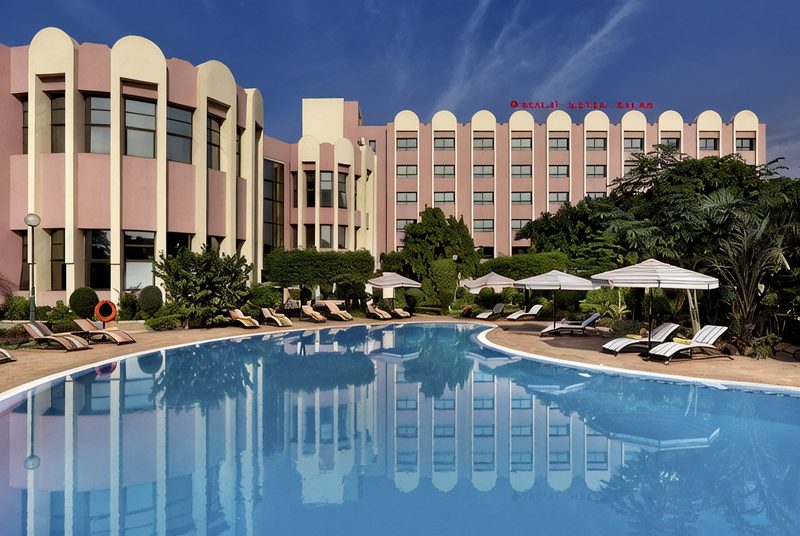
Where to Stay in Mali in March
Hand-picked hotels across price tiers for March travellers.
Public Holidays in March
Dates that affect opening hours, transport and crowds
Leylatoul Qadr (Roughly Date)
Observed nationwide as a public holiday.
Korité (Roughly Date)
Observed nationwide as a public holiday.
Martyrs' Day
Observed nationwide as a public holiday.
Easter Monday
Observed nationwide as a public holiday.
Martyrs' Day
Observed nationwide as a public holiday.
Packing Checklist
Bookmark this page — your progress is saved between visits
Need the full list with shopping links?
Climate-specific gear, brand recommendations, and what to leave at home.
View Mali Packing List →Essential Tips
Insider knowledge and common pitfalls to avoid
Insider Knowledge
Bamako's Grand Marché, rebuilt after the 2012 fire into a modern concrete structure, is where the city shops. Not the smaller artisan markets aimed at tourists. Go early, before 8 AM, when the produce stalls are stacked with mangoes, papaya, and watermelon that women have hauled in from the Koulikoro road since dawn. The market smells of overripe fruit, charcoal, and the sharp tang of fresh-cut ginger. Bargaining is expected and ritualized: the first price is a starting position, not an insult. If you want bogolan (mud cloth) at local prices rather than tourist markup, this is where you find it. Look for the women selling folded stacks on the upper floor, not the stalls facing the street.
Malian food rewards patience and an open mouth. The dish to seek out in March is tigadegena, a slow-cooked peanut sauce served over rice with chicken or beef. The peanut flavor runs deep and slightly smoky, nothing like the thin satay sauces you might know. Tô, the staple millet paste eaten with okra sauce, has a texture that takes getting used to: dense, slightly sour, pulled from the pot in sticky mounds and dipped with three fingers of the right hand. Eating with your hands is standard, not optional. Wash first at the basin that every household and most restaurants set by the door. Use only the right hand. Take from the section of the communal bowl directly in front of you. These are not quaint customs. They are table manners, and they matter.
The Harmattan, the dry, dust-laden wind that blows south from the Sahara, is usually fading by March. But it has not fully released its grip. Some mornings you will wake to a haze that turns the sun into a pale copper disc and coats every surface in fine ochre grit. This is not smog and it is not a health crisis for most people. But if you have respiratory sensitivities, a dust mask or the cotton scarf from your packing list is worth wearing outdoors on hazy days. The dust also plays havoc with camera lenses. Keep your equipment sealed when not shooting.
Bamako's nightlife operates on a clock that will test early-to-bed visitors. Nothing starts before 10 PM. The serious music venues, in the Hippodrome and Badalabougou neighborhoods, do not peak until midnight. Taxis are available but negotiate the fare before getting in, every single time, with no exceptions. There are no meters. The standard within central Bamako is a price locals know and tourists overpay. Asking your hotel staff what the fare should be, before you leave, is the single most useful thing you can do.
Avoid These Mistakes
Underestimating the heat and planning a full day of outdoor sightseeing. Bamako at 38°C (101°F) in March is not the kind of warmth you adjust to after a few days. It is an energy tax on every hour you spend outside between 10 AM and 4 PM. The travelers who have the best experience adopt the local rhythm: early morning activity, long midday rest in shade or air conditioning, then out again after 5 PM when the temperature starts to relent and the city comes back to life. Trying to power through a European-style 9-to-5 sightseeing day is a recipe for heat exhaustion.
Arriving without confirming the current security situation for any destination outside Bamako. The security landscape in Mali shifts, sometimes week to week, and a route that was safe last month may not be this month. Check your government's travel advisories within 48 hours of departure, not two months before. Register with your embassy. Do not assume that because a tour operator has a trip to Djenné or Timbuktu, the journey is safe. Commercial incentives and security realities do not always align.
Photographing people without asking. In many Malian communities, among older generations and in areas with strong Islamic traditions, being photographed without consent ranges from rude to offensive. Always ask first. A gesture toward your camera and a questioning look works even without shared language. Most people, once asked, are happy to oblige. Some will refuse. That refusal is final. At markets, this extends to photographing stalls and their goods. The vendor considers their wares part of their personal space.
Ready to plan your trip to Mali?
Now that you've got the research covered, here's where to go next.
Book Experiences in Mali
Top-rated things to do in Mali this March

Explore More Activities in Mali
Didn't see anything interesting yet?
Browse Viator's full catalog of tours, day trips, food experiences, and private guides in Mali.
See All Mali Tours on Viator