Things to Do in Mali in April
April weather, activities, events & insider tips
Low Season · Budget Friendly
April Weather in Mali
Long-run averages for April in Bamako
103°F (39°C)
High Temp
77°F (25°C)
Low Temp
0.8 inches (20 mm)
Rainfall
31%
Humidity
12
Sunny-Day UV
⚠ Extreme heat is the primary hazard in April. Bamako regularly exceeds 40°C (104°F) during afternoon peaks. Heat-related illness is a genuine medical risk for travelers unaccustomed to sustained high temperatures. Plan all outdoor activity for early morning or late afternoon. Carry water constantly. Know the signs of heat exhaustion: confusion, cessation of sweating, rapid pulse.
⚠ Residual Harmattan haze can reduce visibility and air quality through early April, in the Niger River valley. The fine Saharan dust irritates lungs and eyes. Travelers with respiratory conditions should carry appropriate medication. The haze also mutes photography. It obscures views that are clear by May.
⚠ Malaria transmission is present year-round in Mali, including in Bamako. April's pre-rainy-season mosquito population is lower than July through October. The risk is not negligible. Prophylactic antimalarials, DEET-based repellent, and sleeping under a treated net are essential. These are not optional measures.
Is April Right for You?
Weigh the advantages and considerations before booking
Advantages
- + April sits dead center in the dry season. Roads between Bamako and Segou stay passable. The Niger River runs low enough to expose sandbanks where pirogues dock for riverside grilling. Smoke from capitaine fish charring over mango-wood coals drifts across the water at dusk. It rewrites your assumptions about West African travel.
- + Visitor numbers hit their absolute floor. The National Museum of Mali in Bamako, the Djenne Monday market, the artisan quarters along the Route de Koulikoro. You will likely be the only foreign face. That solitude means conversations happen naturally. A weaver will stop his loom and talk for an hour. A griot family will invite you to sit and listen to a kora rehearsal. Nobody else competes for their attention.
- + Live music in Bamako reaches a seasonal peak. Outdoor concert season runs before the rains shut down open-air venues. The district around the old train station and the clubs along the Route de Sotuba host sets most nights. April's dry air carries the sound of the balafon and ngoni across entire neighbourhoods after dark.
- + The low humidity of 31 percent means the heat, while fierce, is dry rather than suffocating. Mornings before 9 AM feel almost pleasant. Around 28-30°C (82-86°F). The light at dawn over the Niger has a copper-dust quality. Photographers cross continents for this.
Considerations
- − The heat is not a footnote. It is the defining fact of April in Mali. Bamako's average high of 39°C (103°F) means midday temperatures regularly push past 40°C (104°F). Concrete surfaces in the capital radiate stored heat well past sunset. Between roughly 11 AM and 4 PM, outdoor activity becomes dangerous without constant hydration and shade. This is the hottest month of the year. The city slows to a crawl during those hours for good reason.
- − Security remains a serious constraint on where you can travel. As of early 2027, most Western governments advise against all travel to northern and central Mali, and against all but essential travel to much of the south outside Bamako. The practical effect is that well-known destinations like Timbuktu, the Bandiagara Escarpment in Dogon Country, and Mopti are largely inaccessible to independent travelers. Your realistic itinerary concentrates on Bamako, Segou, and the immediate Niger River corridor. Still extraordinary. But a fraction of what Mali once offered.
- − Tourism infrastructure is thin even in Bamako. Power cuts are routine. Running water is not guaranteed outside higher-end guesthouses. Medical facilities are limited. April's heat compounds every infrastructure gap. A power cut that would be a mild inconvenience in January becomes a genuine health concern when your room has no fan and the outside air offers no relief.
Best Activities in April
Top things to do during your visit
Niger River Pirogue Excursions from Bamako
April's low water levels expose the Niger's sandbars and side channels in ways the rainy season buries entirely. Wooden pirogues, flat-bottomed, hand-carved, steered with a single long pole, navigate upstream from Bamako toward the rapids at Sotuba. The river narrows there. The sound of rushing water replaces the city's motorcycle din. The early morning departure, ideally by 6 AM, lets you cover distance before the heat builds. The river air sits a few degrees cooler than the city. Herons and kingfishers work the shallows. Fishermen hauling in their overnight nets will sometimes offer a still-wriggling capitaine for your boatman to grill on a sandbar stop. The low water also means you can walk sections of riverbank that are submerged by June, including clay flats where Bamako's potters have been collecting material for generations.
Booking Tip: Arrange through licensed river guides at the Bamako port area at least two days ahead. Confirm the pirogue has shade cover. A tarp or woven mat is standard. Without it the reflected sun off the water will burn you through sunscreen. Bring at least 3 litres (0.8 gallons) of water per person. See current options in the booking section below for organized river tours.
Bamako Live Music Venues and Griot Performances
Mali's musical reputation is not marketing. This is the country that produced Ali Farka Toure, Salif Keita, and Oumou Sangare. The tradition that fed their work is alive in Bamako's clubs and courtyards every night. April's dry weather means open-air venues along the Route de Sotuba and in the Hippodrome neighbourhood run full schedules before the rains force everything indoors. The sound is unmistakable. The 21-string kora produces cascading runs that sit somewhere between a harp and a flamenco guitar. The balafon's wooden bars ring with a warmth no synthesizer replicates. The ngoni's rhythmic pulse drives the whole thing forward. Shows rarely start before 10 PM. That happens to be when April's heat finally breaks enough to sit outside comfortably. The air by then smells of charcoal smoke, grilled meat from nearby brochette vendors, and the sweet tea that Mali runs on.
Booking Tip: No advance booking needed for most venues. Simply arrive by 9:30 PM and find a seat. Ask your guesthouse host which clubs are active that week, as schedules shift. Cover charges, where they exist, are minimal. For griot family performances, your host or a local guide can arrange a private session with a day's notice. These tend to happen in courtyards in Hamdallaye or Badalabougou. They are among the most memorable experiences Mali offers. Check the booking section below for cultural tour options.
Djenne Monday Market and Mud Architecture
The Monday market at Djenne, roughly 400 km (250 miles) northeast of Bamako, about a six-hour drive in dry season, remains one of West Africa's great spectacles. April's dry roads make the overland journey feasible in a way the July-September rains do not. The market sprawls across the plaza in front of the Grand Mosque, the largest mud-brick structure on earth. Its surface bakes to a warm ochre under April's sun. You feel the heat radiating from several metres away. The market itself hits every sense: the sharp, almost fermented tang of shea butter sold in calabash gourds. The metallic clang of blacksmiths hammering recycled iron into farming tools. The scratch of dried indigo cloth against your fingers at the textile stalls. Fulani women arrive with towers of calabashes balanced on their heads. Bozo fishermen spread sun-dried river fish on reed mats. The Djenne-djenno pottery tradition, predating the mosque by centuries, fills entire stalls with hand-coiled earthenware. The heat at midday is punishing. The market starts at dawn. Serious trading happens before 10 AM.
Booking Tip: The drive from Bamako requires a reliable vehicle and an experienced driver. Arrange through a licensed tour operator at least a week ahead. Confirm the route via Segou is open. Plan to overnight in Djenne on Sunday to catch the market's dawn start. The road is paved but deteriorating in sections. A 4x4 is strongly preferred. See current guided tour options in the booking section below.
Artisan Workshops in Bamako's Quartier des Artisans
Bamako's artisan district, concentrated near the Maison des Artisans and stretching into the surrounding streets of the Quinzambougou neighbourhood, operates year-round. April's slower pace means craftspeople have time to demonstrate rather than just sell. The district is organized roughly by trade: bogolan mud-cloth makers in one row, silversmiths and Tuareg jewellers in another, leather workers cutting and stitching in a third. The bogolan process is worth watching in full. Fresh cotton cloth is soaked in a tea brewed from n'galama tree bark, then painted with fermented river mud using a bamboo stick. Each symbol carries specific Bambara meaning. The chemical reaction between the tannin and the iron-rich mud fixes the dye permanently. The smell is unmistakable: a musty, mineral tang that clings to the workshop air. April's low humidity helps the drying process. You will see freshly painted cloths stretched across rooftops and walls throughout the quarter, geometric patterns baking in the sun.
Booking Tip: No booking required. Walk in during morning hours, roughly 8 AM to noon, when workshops are active and the heat is still manageable. A local guide who speaks Bambara transforms the experience from browsing to education. Budget half a day. Prices for finished bogolan pieces are negotiable but fair. The artisans know the value of their work. The negotiation is a ritual, not a hustle.
Segou and the Niger River Cultural Corridor
Segou, roughly 235 km (146 miles) northeast of Bamako along a paved road that April's dry weather keeps in decent condition, is Mali's second cultural capital. Its tempo makes Bamako feel frantic. The town sits directly on the Niger. The riverfront promenade at sunset, when the light turns the water to hammered bronze and the fishing pirogues return in silhouette, is one of West Africa's quiet masterpieces. Segou's Bambara pottery village of Kalabougou, a short pirogue ride across the river, has produced the region's ceramics for generations. The women who work the kilns will hand you a lump of wet clay and show you the coiling technique if you ask. The town is also the way into the Segou art festival's legacy. The Festival sur le Niger, typically held earlier in the year, leaves its infrastructure of gallery spaces and performance areas available year-round. April evenings in Segou are warm but not unbearable. The terrace restaurants along the river serve grilled capitaine with alloco, fried plantain cut thick, crisp at the edges, soft inside. Mosquitoes are still weeks away from peak season.
Booking Tip: The Bamako-Segou road is served by frequent public transport. A hired car with driver gives flexibility for stops at roadside villages. Two nights in Segou is ideal: one for the town, one for Kalabougou and the river. Book accommodation at least a week ahead. Segou has limited quality options. April's few visitors tend to cluster at the same places. See the booking section below for Segou-inclusive itineraries.
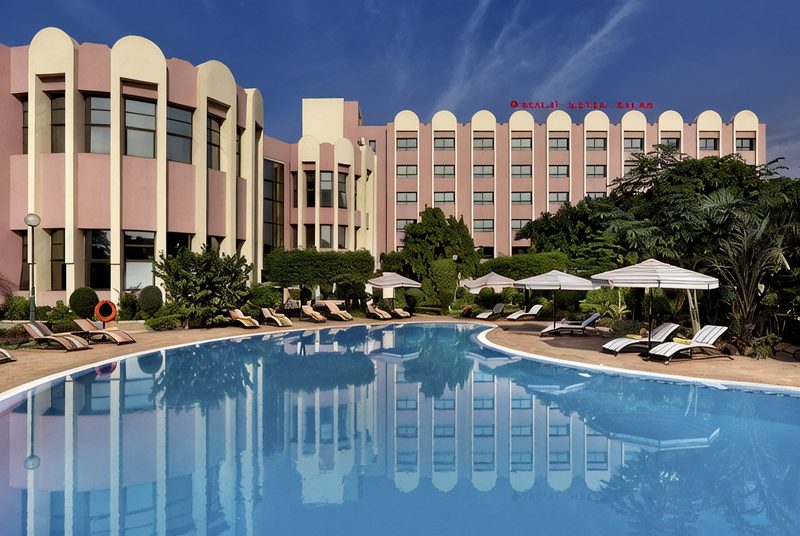
Where to Stay in Mali in April
Hand-picked hotels across price tiers for April travellers.
Public Holidays in April
Dates that affect opening hours, transport and crowds
Easter Monday
Observed nationwide as a public holiday.
Packing Checklist
Bookmark this page — your progress is saved between visits
Need the full list with shopping links?
Climate-specific gear, brand recommendations, and what to leave at home.
View Mali Packing List →Essential Tips
Insider knowledge and common pitfalls to avoid
Insider Knowledge
The hours between 5 AM and 8 AM are April's secret window in Mali. The air is still cool enough to feel pleasant, around 25-28°C (77-82°F), and Bamako wakes early. The bread sellers are out by 5:30 with fresh baguettes, a French colonial legacy that Mali perfected, and if you walk the riverfront near the Pont des Martyrs at dawn, the light on the Niger is extraordinary: a pink-gold haze that the midday glare burns away completely. Plan your most ambitious outing for this window and retreat indoors by 10 AM.
Mali runs on tea. Three rounds of sweet Chinese green tea brewed over a charcoal burner, the first round strong and bitter, the second sweeter, the third almost pure sugar water, is the country's social glue. Refusing the tea is like refusing a handshake. Accepting it, even in 40°C (104°F) heat, opens doors that money cannot. The entire ritual takes about 45 minutes, and trying to rush it signals that you do not understand where you are.
April is mango season in Mali, and the abundance is almost absurd. Mangoes in Bamako's markets are not the fibrous, half-ripe specimens exported to European supermarkets. They are softball-sized, deep orange inside, so ripe the juice runs down your forearm, and the sweetness has a faintly resinous, almost pine-like complexity. Vendors sell them in pyramids on every corner for next to nothing. Eat them for breakfast and you will understand why Malians consider the mango tree sacred.
Learn three phrases in Bambara before you arrive: 'I ni ce' (hello), 'I ni tile' (good afternoon, 'you and the sun', which tells you everything about April), and 'A ka di' (it is good / it tastes good). French is the official language and works in Bamako. But switching to Bambara in markets and villages produces a reaction, laughter, delight, suddenly better everything, that no amount of French politeness can match.
Avoid These Mistakes
Avoid attempting midday sightseeing. First-time visitors underestimate 39°C (103°F) dry heat because it does not feel oppressive immediately the way humid tropical heat does. But the dehydration is faster, the sunburn is worse, and heatstroke arrives without the warning signals you might expect. Locals disappear between 11 AM and 3 PM for a reason. Follow their lead; rest, drink tea, nap, and resume in late afternoon.
Do not plan an itinerary that includes Timbuktu or Dogon Country without checking current security advisories. These regions appear in every Mali guidebook ever printed, and the urge to visit is understandable. But as of early 2027 they remain under severe travel warnings from most Western governments. Travelers who attempt overland journeys to these areas without professional security arrangements are taking risks that no travel experience justifies. Build your trip around Bamako, Segou, and the southern Niger corridor. There is more than enough to fill a week.
Never drink only water without electrolytes. April's 31 percent humidity means sweat evaporates so quickly you do not realise how much fluid you are losing. By the time you feel thirsty, you are already significantly dehydrated. The headache, nausea, and confusion of heat exhaustion look a lot like a bad travel day, until they escalate. Two electrolyte sachets per day, drunk proactively before you feel the need, is the difference between a good trip and a medical evacuation.
Ready to plan your trip to Mali?
Now that you've got the research covered, here's where to go next.
Book Experiences in Mali
Top-rated things to do in Mali this April

Explore More Activities in Mali
Didn't see anything interesting yet?
Browse Viator's full catalog of tours, day trips, food experiences, and private guides in Mali.
See All Mali Tours on Viator