Things to Do in Mali in August
August weather, activities, events & insider tips
Low Season · Budget Friendly
August Weather in Mali
Long-run averages for August in Bamako
87°F (31°C)
High Temp
71°F (21°C)
Low Temp
11.4 inches (290 mm)
Rainfall
84%
Humidity
12
Sunny-Day UV
⚠ Peak malaria transmission season. Plasmodium falciparum is endemic in Mali and mosquito populations increase with August rains. Antimalarial prophylaxis, DEET repellent, and bed nets are medically essential, not precautionary.
⚠ Flash flooding in low-lying areas of Bamako and on unpaved roads outside the city. Heavy downpours can dump 30-50 mm (1.2-2 inches) in under an hour, overwhelming drainage. Avoid crossing flooded roads on foot or in vehicles. The depth and current are unpredictable.
⚠ Unpaved roads between towns become impassable after sustained rain. Vehicles bog down in laterite mud, and rescue or towing services outside Bamako are limited to nonexistent. Travel outside the capital requires a 4x4 and a realistic assessment of conditions that day, not that week.
⚠ Ongoing armed conflict and instability in northern and central Mali. Travel advisories from most Western governments recommend against all travel to regions north of Mopti and against all but essential travel to much of the rest of the country outside Bamako. Check your government's current advisory before booking.
Is August Right for You?
Weigh the advantages and considerations before booking
Advantages
- + August is paradoxically the coolest month in Mali, with Bamako's average high sitting at 31°C (87°F) compared to the punishing 39°C (102°F) of April. The Sahel transforms into something most visitors never imagine: green. The laterite plains between Bamako and Ségou, scorched orange for eight months of the year, turn into rolling grassland under skies that stack thunderheads three stories high every afternoon. It is, visually, a completely different country from the one in the travel brochures.
- + Tourism effectively stops in August, which means the travelers who do come get unmediated access to Malian culture. The National Museum of Mali in Bamako, the Maison des Artisans, the instrument workshops along the road to Koulouba hill. You will likely be the only foreigner in the room. Conversations happen. Invitations to tea follow. The social texture of a visit in August has no equivalent in the dry tourist months.
- + The Niger River reaches its most dramatic state in August, swelling from the thin, sluggish channel of March into a wide, fast-moving waterway that floods its banks near Bamako's Pont des Martyrs. Pirogue traffic intensifies as fishing communities work the rising water, and the birdlife along the riverbanks; herons, kingfishers, weaverbirds building nests in riverside acacias. Peaks in variety and numbers.
- + Accommodation rates in Bamako drop substantially from the October-through-February high season when NGO workers, conference attendees, and the small tourist trade push prices up. August is the lowest-demand month of the year, and properties that require advance booking in winter often have same-week availability.
Considerations
- − Security outside Bamako remains the defining constraint for travel in Mali. The regions north of Mopti. Including Timbuktu and Gao. Have been under varying degrees of armed conflict and instability since 2012. Most Western government advisories recommend against all travel to these areas, and the situation has not materially improved as of early 2027. Even the road between Bamako and Djenné, once a standard tourist route, requires careful assessment of current conditions before attempting. This is not a country where you can freelance an itinerary into remote areas.
- − August's 290 mm (11.4 inches) of rainfall turns unpaved roads into mud tracks. The route from Bamako to Siby, popular for its cliff hiking, becomes unreliable after heavy storms. Laterite roads outside the capital can swallow vehicles to their axles. Overland travel that takes four hours in December can take eight or simply become impossible for days at a time. Your itinerary needs built-in flexibility and a willingness to stay put when the rain says so.
- − The 84% humidity is the real adversary, not the temperature. At 31°C (87°F) with that moisture load, walking through Bamako's Medina market at midday feels like breathing through a wet cloth. Mold appears on leather goods overnight. Electronics fog. The physical toll of even moderate activity is higher than the thermometer suggests, and the mosquito population explodes. Malaria prophylaxis is not optional, it is essential.
Best Activities in August
Top things to do during your visit
Bamako Live Music Circuit
Bamako is one of the great music cities on the African continent, and August is when the scene turns inward in the best possible way. The sound of the kora. That 21-string West African harp that seems to contain an entire orchestra. Drifting out of a compound wall on a humid evening is something that rewires your understanding of what live music can be. Venues along the Route de Koulikoro and in the Hippodrome neighbourhood host sets that start late, rarely before 10 PM, and run past 2 AM. The humidity keeps the air thick and close, and the concrete walls of the smaller clubs hold the heat. But nobody seems to mind. The music pulls you in regardless. August audiences are overwhelmingly Malian, which changes the energy entirely: this is not a performance for visitors, it is a community gathering you happen to be welcome at.
Booking Tip: No advance booking needed for most venues. Show up, find a seat, order a drink. Ask your hotel staff which clubs have acts playing that week. Schedules are informal and rarely posted online. For larger concert events, check current listings in the booking section below.
Niger River Pirogue Excursions from Bamako
The Niger in August is a different river from the postcard version. It runs high and brown with sediment, pushing past the rocks near Point G that are exposed the rest of the year, and the current carries the long wooden pirogues downstream with an ease that makes the dry-season paddling look like labour. Fishermen in narrow dugout canoes cast circular nets in the shallows near Sotuba, and the splash and pull of each throw carries across the water in the early morning quiet. Weaverbird colonies hang from riverside trees in nests that look like woven baskets. Hundreds of them, chattering constantly. The air over the water is cooler than the city by several degrees, and the breeze off the surface is one of the few genuine reliefs from the humidity. Morning departures, ideally before 8 AM, beat the afternoon storm risk and catch the river when the light is low and gold on the water. Expect to get rained on if you push past noon. That is part of the experience. The rain on the river is warm, brief, and arrives with a wind that smells of wet earth and woodsmoke from the bank-side villages.
Booking Tip: Arrange through licensed river operators at the Bamako waterfront near Pont des Martyrs. Two to three hours is the right duration for a morning trip. Confirm life jackets are provided. This is non-negotiable when the current is running high. See current river tour options in the booking section below.
National Museum of Mali and Bamako Cultural Walk
The National Museum of Mali sits on a hillside in Bamako's Cité Administrative. On a rainy August afternoon, when the downpour drums on the corrugated roof and the gardens outside turn into a wash of red mud and green, it becomes the best place in the country to spend three hours. The collection of Dogon masks and Bamana figurines is excellent. The kind of assemblage that in another country would fill a wing of a national gallery. The wooden Ci Wara antelope headdresses, carved with a geometric precision that makes you lean in close, are well-known Malian art. Seeing them here rather than behind glass in Paris or New York gives them a different weight entirely. The museum grounds include open-air sculpture and a craft market where leatherworkers and weavers sell directly. From the museum, the walk downhill through the Quartier du Fleuve neighbourhood passes colonial-era administrative buildings with crumbling balustrades and bougainvillea climbing the iron railings. The smell of charcoal and grilled fish from the roadside stalls starts around late afternoon. It does not stop until well after dark.
Booking Tip: No advance booking required. The museum is open daily except Monday. Allow half a day to combine the museum with the surrounding neighbourhood walk. A knowledgeable local guide adds significant depth to the collection. See guided cultural tour options in the booking section below.
Siby Cliff Country Day Trip
The sandstone cliffs and arches near Siby, roughly 50 km (31 miles) southwest of Bamako, are the closest thing to dramatic natural landscape accessible from the capital. In August, the cliffs are framed by green bush and the seasonal waterfalls at the Arch of Kamandjan run. During the dry months they are bare rock faces with water stains hinting at what you are missing. The hike to the arch itself is about 3 km (1.9 miles) on trails that get slippery with red clay after rain. Sturdy footwear with grip is essential, not sandals. The humidity at the base of the cliffs sits heavy. The shade under the overhangs drops the temperature noticeably. The sound of running water off the rock is constant. Chimpanzee populations inhabit the surrounding woodland. Sightings are not guaranteed. But the guides from local villages know the troop ranges. The village of Siby itself is a Mandinka cultural centre. The griot families who have lived here for generations sometimes perform in the evening if you arrange through the community.
Booking Tip: Book through a Bamako-based operator who knows current road conditions. The unpaved road to Siby can be difficult after heavy rain and may require a 4x4. A full-day trip is ideal, departing early to hike before afternoon storms. Check current day-trip options in the booking section below.
Bamako Market and Food Circuit
Malian food in August centres on what the rains bring. The markets, the Grand Marché in the city centre and the large Medina market, fill with produce that simply does not exist in the dry months. Fresh okra piled in green pyramids. Shea nuts by the sack. Dark leafy greens that go into the sauce for tô, the millet or sorghum porridge that is the foundation of Malian eating. The smell of the market in August is wet earth, fermenting soumbala (the fermented locust bean paste that gives Malian stews their deep, almost cheese-like funk), and the sharp green scent of freshly pounded ginger sold in plastic bags. Street-side grills smoke with brochettes, skewered lamb or beef rubbed with a dry spice mix and charred over coals until the fat renders and the edges crisp. The chicken yassa vendors, serving grilled chicken in a caramelised onion and mustard sauce with broken rice, operate from late afternoon onward. The queues at the popular stalls on the Route de Sotuba are the only recommendation you need. Tô with sauce arachide, groundnut sauce thick and nutty ladled over the porridge, is comfort food elevated to art in the hands of a Bamako cook who has been making it for decades.
Booking Tip: Early morning visits to the Grand Marché avoid both the midday heat and the afternoon rain. For a guided food walk, arrange with a local cultural guide who can navigate the market layout and translate with vendors. See food tour options in the booking section below.
Sélingué Lake and Dam Excursion
Sélingué, about 140 km (87 miles) south of Bamako, sits on a reservoir created by the hydroelectric dam on the Sankarani River. It is the closest thing Mali has to a waterside retreat. In August, the lake is at peak level. The surrounding savanna woodland is intensely green. The birdlife is extraordinary. African fish eagles, pied kingfishers, and colonies of cattle egrets nesting in the flooded trees. The water itself is warm and brown with runoff. The air above it carries the smell of wet vegetation and the faint mineral tang of laterite. Fishing is a way of life here. Watching the pirogues work the lake at dawn, silhouetted against a sky that shifts from grey to pink as the sun clears the tree line, is one of those scenes that makes you understand why people return to Mali despite everything. The lake shore is quiet in August, with few visitors beyond Bamako residents escaping the city heat for the weekend. Swimming is possible in designated areas, though the water clarity is low. The surrounding villages offer a pace of life that moves with the seasons, not the clock.
Booking Tip: A weekend trip is ideal. The road from Bamako is paved for most of the route but the final stretch requires a capable vehicle. Book through operators who include transport. See current Sélingué excursion options in the booking section below.
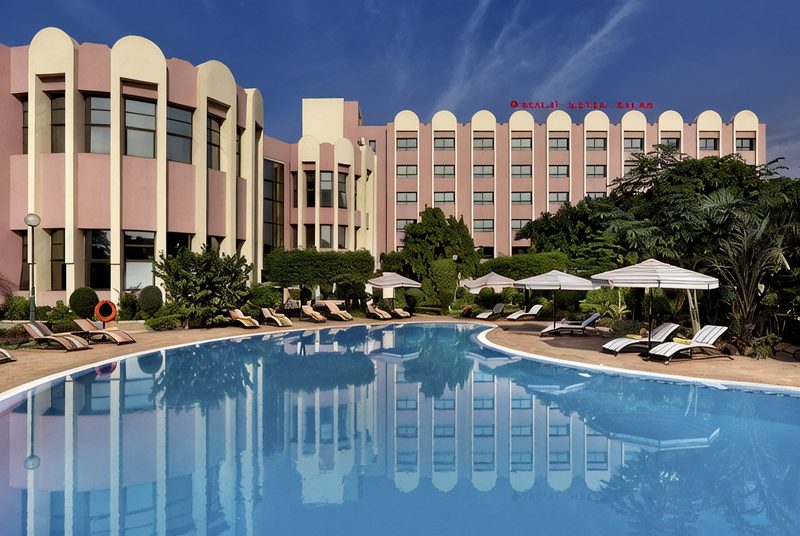
Where to Stay in Mali in August
Hand-picked hotels across price tiers for August travellers.
Public Holidays in August
Dates that affect opening hours, transport and crowds
Mawloud (Roughly Date)
Observed nationwide as a public holiday.
Baptism of the Prophet (Roughly Date)
Observed nationwide as a public holiday.
Mawloud (Roughly Date)
Observed nationwide as a public holiday.
Baptism of the Prophet (Roughly Date)
Observed nationwide as a public holiday.
Packing Checklist
Bookmark this page — your progress is saved between visits
Need the full list with shopping links?
Climate-specific gear, brand recommendations, and what to leave at home.
View Mali Packing List →Essential Tips
Insider knowledge and common pitfalls to avoid
Insider Knowledge
Mali is landlocked. Search queries about beaches confuse it with the Maldives (Male) or Malia in Crete. The Niger River has sandy banks where locals swim and wash. Sélingué's lake shore has stretches of sand. But if ocean beaches are what you came for, you are in the wrong country by about 800 km (500 miles). The river and lake shores offer their own appeal. Set expectations accordingly.
The three-glass tea ceremony, attaya, is the social currency of Mali. Refusing it is the fastest way to close a door that was opening. The first glass is bitter as death, the second mild as life, the third sweet as love, as the proverb goes. It takes 30 to 45 minutes to prepare. That slowness is the point. If someone invites you for tea, your next appointment can wait. In August, the tea happens on covered verandas while the rain hammers down. Those conversations become the trip you remember.
Navigate Bamako's restaurant scene by asking locals, not by consulting outdated listings. The maquis, open-air eating spots with plastic chairs and charcoal grills, serve food that routinely outperforms formal restaurants charging five times as much. Chez Boubacar near the Hippodrome has been grilling capitaine (Nile perch) from the Niger for over two decades. The fish arrives whole, smoky, with a squeeze of lime and a pepper sauce that builds heat slowly. The maquis culture is where Malian dining lives.
French is the official language. But Bambara is what Bamako speaks. Learn even five phrases: 'I ni ce' (hello), 'I ni baara' (thank you for your work), 'Hera sira' (safe journey). This changes every interaction. Malians are among the most hospitable people in West Africa. The effort of attempting Bambara, however badly, is received with a warmth that French alone does not unlock.
Avoid These Mistakes
Do not attempt to reach Timbuktu or the north independently. The romantic pull of Timbuktu is powerful. Travellers arrive in Bamako convinced they will find a way north. The security reality as of 2027 makes independent overland travel north of Mopti extremely dangerous. Armed groups operate along the routes. The Malian military presence does not guarantee safe passage. The organised tours that once ran the Bamako-Mopti-Timbuktu corridor have largely ceased. If Timbuktu is your goal, check the very latest security advisories. Consult operators who specialise in high-risk destinations. Do not simply hire a driver and go.
Never pack a week of plans with no rain margin. August rain in Bamako is not London drizzle. It arrives as a wall of water preceded by wind that bends trees sideways. It drops 30 mm (1.2 inches) in an hour. It floods low-lying roads within minutes. Then it stops, the sun comes out, and everything steams. Travellers who schedule back-to-back activities with no flex time spend half their trip frustrated. Build every day around a morning activity, an afternoon that expects rain, and an evening plan that works wet or dry.
Never skip malaria prevention because the city feels modern. Bamako has shopping centres, paved roads, and air-conditioned restaurants. It is easy to forget you are in a zone with year-round malaria transmission that peaks in August and September. The Anopheles mosquitoes that carry Plasmodium falciparum, the most dangerous strain, bite from dusk to dawn. They do not distinguish between a luxury hotel compound and a roadside guesthouse. Prophylaxis, repellent, and a bed net are non-negotiable. Every single night.
Ready to plan your trip to Mali?
Now that you've got the research covered, here's where to go next.
Book Experiences in Mali
Top-rated things to do in Mali this August

Explore More Activities in Mali
Didn't see anything interesting yet?
Browse Viator's full catalog of tours, day trips, food experiences, and private guides in Mali.
See All Mali Tours on Viator